

President Prabowo Subianto appears to be increasingly demonstrating his role as a Foreign Policy President. Since being inaugurated as the 8th President of the Republic of Indonesia, Prabowo has tirelessly met with leaders from various countries in various regions. Most recently, Prabowo flew to Qatar to demonstrate his solidarity with the country that had recently suffered an Israeli attack. During his visit to the Middle East, Prabowo also took the opportunity to meet with the leader of the United Arab Emirates to discuss regional and global security stability.
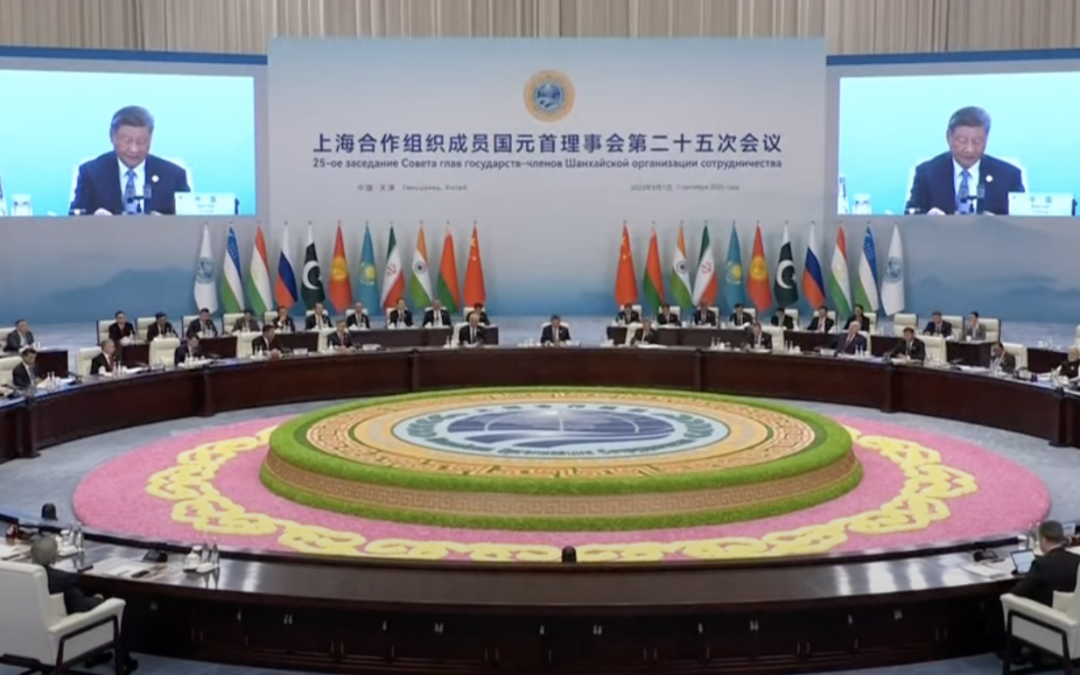
The visit to the Middle East came just days after Prabowo’s eight-hour visit to China to attend the 80th anniversary celebrations of China’s liberation from Japanese occupation.
The brief visits to China, Qatar and UAE conveyed an important message, demonstrating Indonesia’s readiness to become a significant global player amidst international geopolitical uncertainty. Indonesia is demonstrating its commitment to building friendships with all countries in the region, regardless of its political affinities (alliances) with major powers. Indonesia is ready to cooperate bilaterally with member countries involved in minilateral cooperation such as the G7, BRICS, and AUKUS, and collaborate multilaterally in forums based on shared values such as the OIC and the Non-Aligned Movement.
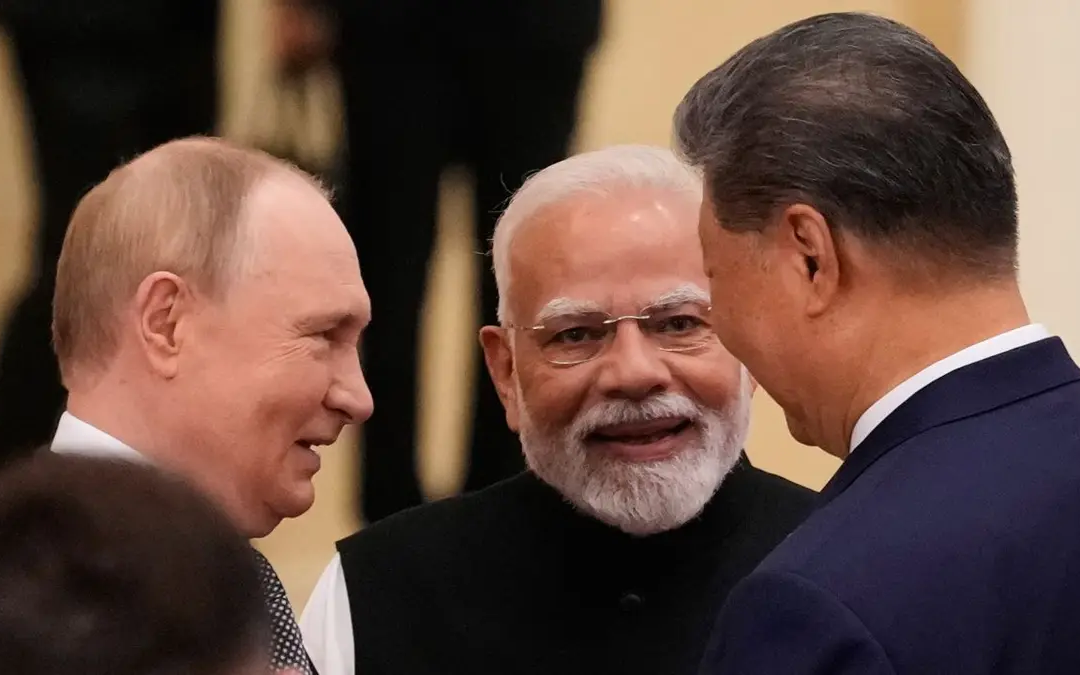
Prabowo himself argues that joining BRICS demonstrates the truly implementation of the principles of free and active in foreign policy. BRICS has strategic important role in the establishment of global stability. BRICS is not a military alliance that Indonesia should fear, even though it includes countries that are highly critical of the United States’ position in international politics. The two founding members of BRICS, China and Russia, are major rivals of the United States in the political, economic, and military spheres.
The high number of high-level meetings the Indonesian President has had with leaders of other countries in less than a year since his inauguration, indicates that Indonesia will be more active in conducting foreign relations. Not only is Prabowo upholding the free and active principles, but he is also introducing a new value in Indonesian foreign policy: assertiveness. Indonesia is ready to behave confidently on the international stage and can convey its messages and beliefs directly and straightforwardly.
President Prabowo possesses a strong level of self-confidence to deliver bold statements and offer forceful actions. The president, who was previously dismissed from the Indonesian National Armed Forces (TNI), also appears ready to accept criticism for his bold new ideas presented in international forums, which are considered controversial and biased.
UN Reform as a Necessity
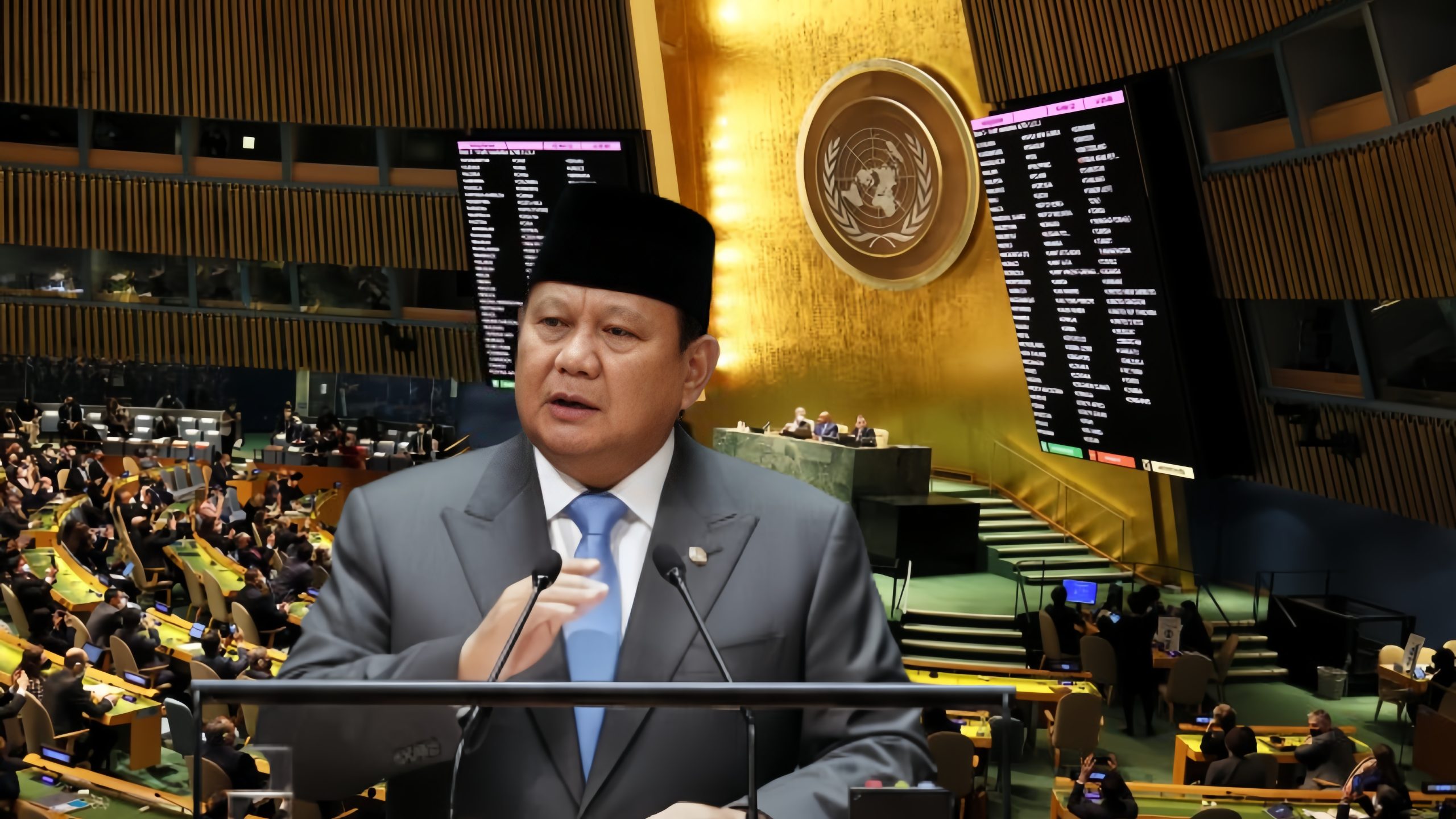
His presence at the 80th UN General Assembly is crucial for the implementation of Indonesia’s foreign policy.
First, President Prabowo broke the tradition of absences from his predecessor, President Joko Widodo, who had not attended the UN General Assembly in New York in person for the previous ten years. This suggests that for the past ten years, the UN has not been a top priority in high-level diplomacy at the level of the Indonesian presidency.
Prabowo’s presence at UN Headquarters in New York demonstrates that Indonesia has once again positioned the UN as the most legitimate multilateral forum and worthy of Indonesia’s full support.
The second meaning relates to the global geopolitical situation, which is in a very dire state. The UN has been criticized for its inability to address the Russia-Ukraine conflict and the Israel-Hamas war in Gaza, as well as various conflicts between countries in various regions of the world. Israel’s genocide against Palestinians in Gaza is one example of the UN’s failure to fulfill its role as the institution responsible for promoting global peace and security.
On September 18, 2022, the UN Security Council again failed to agree on a resolution for a ceasefire that would have opened access to humanitarian aid for the victims of the Israel-Hamas war, who were already suffering greatly in Gaza. Although the draft resolution received 14 votes in favor, it received a negative vote from the United States, as a permanent member of the UN Security Council, preventing its adoption. This was the sixth US veto of a draft resolution related to the Israel-Hamas conflict since October 7, 2023.
Besides peace and security issues, many other agendas must be prioritized by the UN. Climate change and health are two examples of agendas that must receive the UN’s attention.
In the current difficult situation, the UN is also facing limited financial resources to fund many UN programs worldwide, including those in conflict zones. This financial crisis is caused by many countries being in arrears or even refusing to pay their contributions to the UN in full and by the deadline.
As of 15 September 2025, 129 UN members had paid their full budget assessments. Forty-nine members paid within the budget period until the February 6, 2025, deadline. Eighty members paid after the deadline. The US and China are among the two countries that have not yet paid their full UN contributions.
The United States under President Trump has cut (or even eliminated) its voluntary contributions to several agencies that were previously major donors: the United Nations Population Fund (UNFPA), the World Food Programme (WFP), UN Women, and the United Nations Office for the Coordination of Humanitarian Affairs (OCHA).
How can the UN do more with fewer financial support sources? In addition to the structural issues that are crucial for strengthening the UN, the UN must undertake organizational reforms to make the UN’s work more effective amidst the UN’s limited financial resources.
If Prabowo is More Assertive, It’s Time for Indonesian Diplomats to Be More Proactive
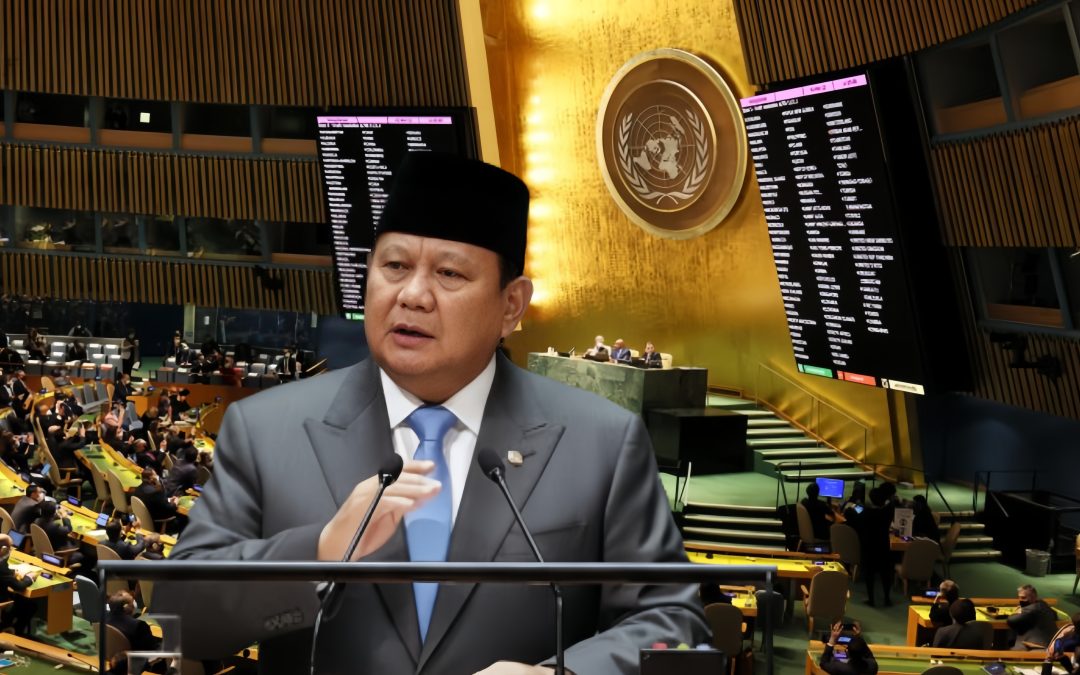
President Prabowo became the third leader to present at the Debate Session at the UN General Assembly. In his speech, Prabowo voiced Indonesia’s full support for Palestinian independence and its commitment to be active in the peace process in the country by sending international peacekeepers.
I would like to reiterate again Indonesia’s complete support for the Two-State Solution in Palestine. We must have an independent Palestine, but we must also recognize and guarantee the safety and security of Israel. Only then can we have real peace: peace without hate, peace without suspicion.
Can we expect a spectacular impact from the speech of the 8th President of Indonesia? Will there be an acceleration of the negotiation process regarding the conflict between Israel and Hamas?
It seems too ambitious if a speech at a UN forum whose competence is in a crisis situation is expected to have a spectacular short-term impact.
The UN is a normative institution that is often symbolic. Attendance at the UN General Assembly is unlikely to bring concrete and tangible changes to the world, including peaceful resolution in Gaza. The Debate Session at the UN General Assembly provides a space for exchanging ideas, but it is unlikely to serve as a reference point for decision-making at the United Nations Security Council (UNSC).
Intergovernmental negotiations remain the main key to agreeing on ways in which UN members will support Palestinian independence in the near future. Of course, the influence of the United States is crucial in pressuring Israel to immediately stop attacks on Gaza and start negotiations again for long-term peace, including recognizing Palestine as an independent state.
At least after Prabowo’s speech, President Trump has expressed his appreciation and desire to immediately start a peace process that is very meaningful for the Palestinian people.
In this context, Indonesian diplomats must play an equally important role in exercising the new more active and assertive approach introduced by President Prabowo. Despite criticism of Prabowo’s personal approach which tends to cut through bureaucratic channels and rely on people close to him, Indonesian diplomats serving at the UN and UN agencies need to be more pro-active in ensuring that UN reform initiatives run in line with the direction and interests of Global South countries.
Indonesia’s intervention must be designed in a strategic way so that the message conveyed by President Prabowo is truly heard by other countries. The responsibility of Indonesian diplomats is to ensure that the Indonesian President’s speech has a loud echo at UN Headquarters and then becomes a reference for the intergovernmental negotiation process.
Indonesia’s interventions must be strategically designed to ensure that President Prabowo’s message is truly heard by other countries. It is the responsibility of Indonesian diplomats to ensure that the President’s speech resonates strongly at UN Headquarters and serves as a reference for intergovernmental negotiations.
President Prabowo’s more active and assertive approach will not have a significant impact if it is not followed up by skilled Indonesian negotiators in the UN negotiating room in New York. It is time for Indonesia to become a player, not just a spectator or follower, in international negotiations.
Author: Yulius P Hermawan
Updated on: 24 September 2025