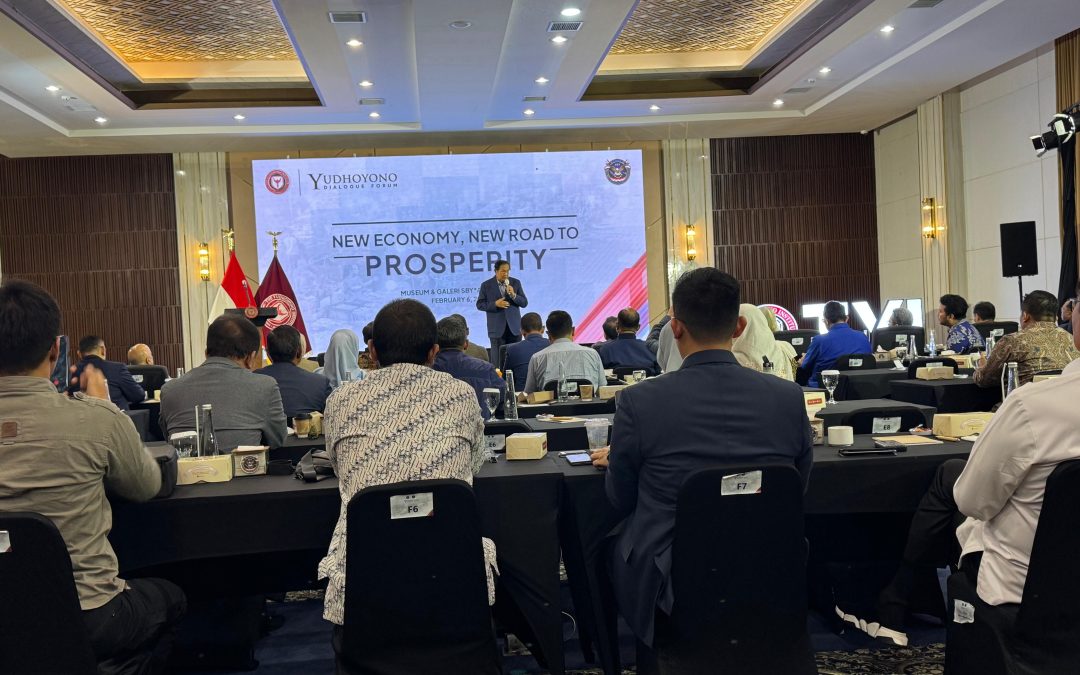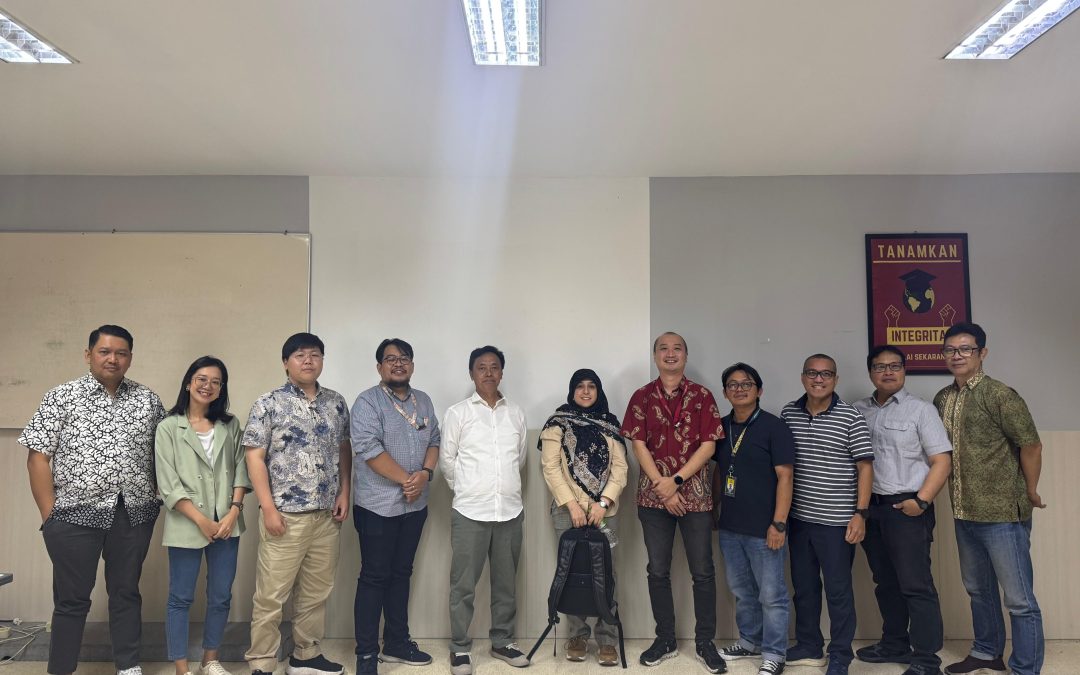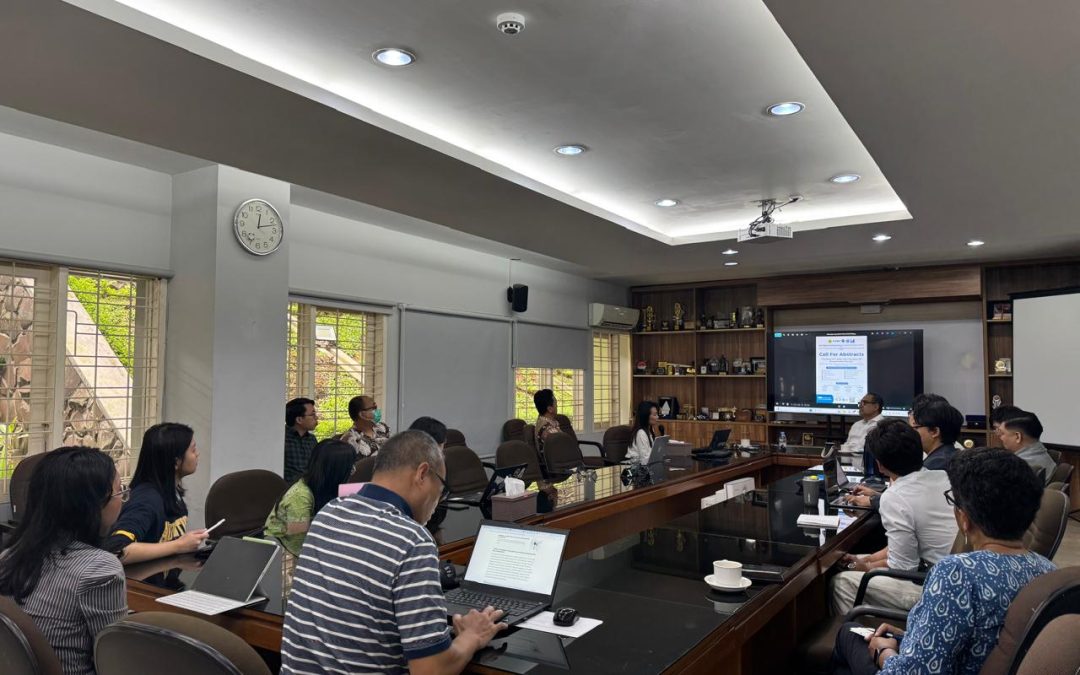


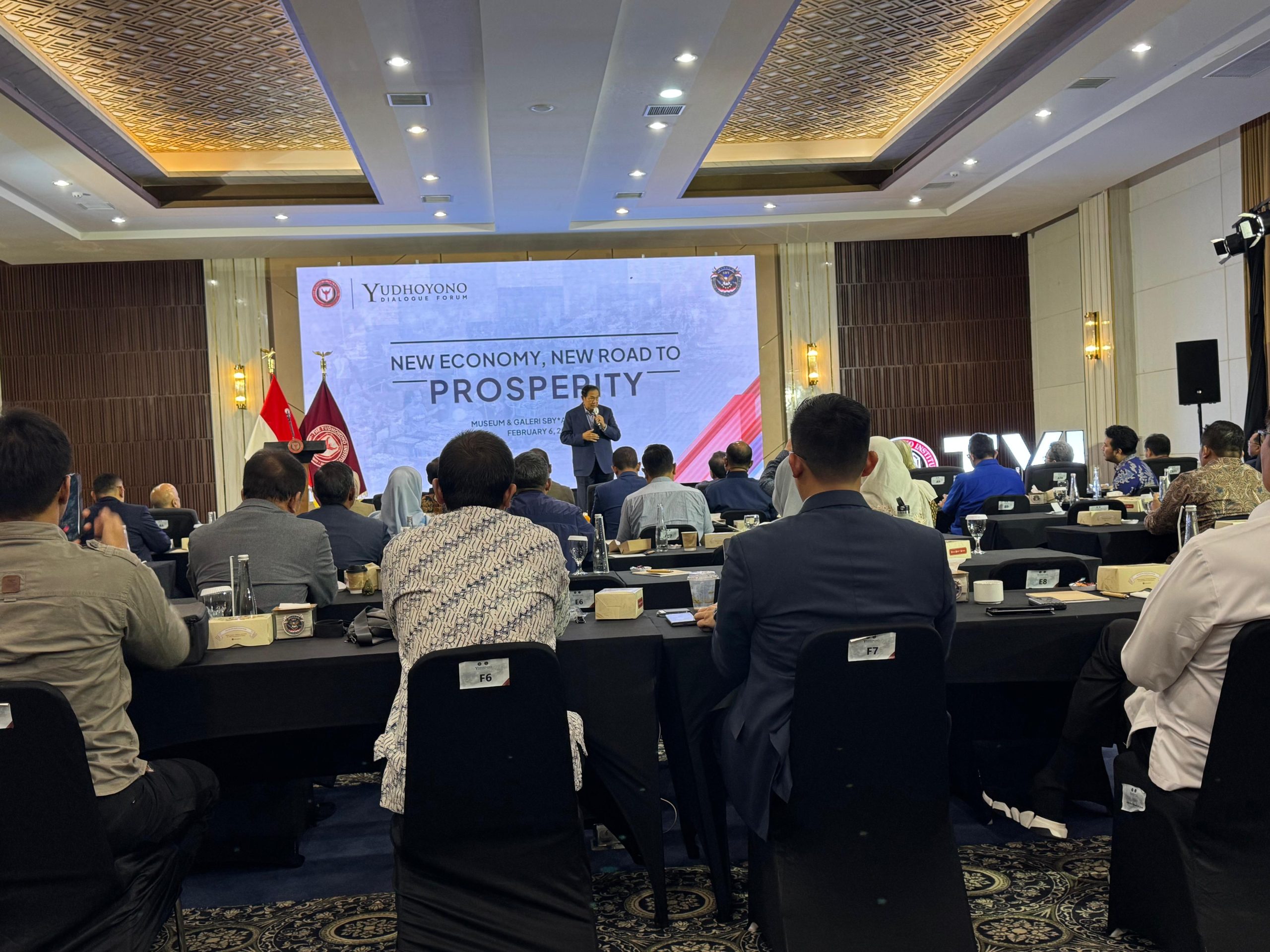
Pacitan, February 6, 2026 – The Yudhoyono Institute (TYI) held the Yudhoyono Dialogue Forum with the theme “New Economy, New Road to Prosperity.” This forum discussed new economic directions, sustainable growth, and the challenges and opportunities towards inclusive prosperity. The forum was attended by members of the House of Representatives (DPR), the People’s Consultative Assembly (MPR), ministers and deputy ministers, and stakeholders from various sectors. The Chair of PACIS Unpar and the Chair of the Organizing Committee of the 5th International Conference on International Relations (ICONIR) also attended the forum held in Pacitan, East Java.
The forum featured several economic experts, policymakers, businesspeople, and technology developers who presented contemporary global and national economic conditions and the latest technological developments. It proposed several scenarios and strategies to achieve prosperity for all Indonesian people.
The Dialogue Forum was opened by the Executive Director of the Yudhoyono Institute, Agus Harimurti Yudoyono, who is also the Coordinating Minister for Infrastructure and Regional Development. In his remarks, Agus emphasized the importance of the dialogue forum in formulating innovative strategies to ensure Indonesia’s ability to build prosperity for all its people in a new era marked by challenges and turmoil. The ongoing infrastructure development across Indonesia’s various regions plays a crucial role in building a new economy grounded in sustainability.
The first session focused on the theme of the new economy for prosperity and sustainability with two keynote speakers.
Prof. Hermanto Siregar, the first speaker, viewed the New Economy as a reality that must be addressed with new strategic approaches. Many challenges must be faced in the context of the new economy, such as slowing economic growth, persistent inflation, changes in US tariff and immigration policies, loose monetary policy, shifting trade policies, and supply chain shocks. In this context, AI technology is developing rapidly, and the digital economy is expanding. According to him, the industrial world needs to adapt by diversifying its supply chain and using AI to support growth. Countries, including Indonesia, also need to prepare for volatility, including by strengthening social safety nets to protect the most vulnerable.
This new economic climate has impacted Indonesia’s financial sector. Accelerating economic growth is difficult, while inflation could rise due to the rupiah’s depreciation. Banks are becoming more cautious in extending credit, and the stock market is increasingly volatile. In this context, the Indonesian government needs to carefully evaluate its policies, particularly those related to high-risk programs.
Jose Rizal Damuri, the second speaker in the first session, highlighted the weaknesses of the old development model, particularly its impact on environmental degradation, despite its contribution to poverty alleviation. Indonesia must prepare an economy that better meets the demands of sustainability, seizing opportunities from the development of sustainable technology and products. He argued that Indonesia needs to build a green data center to serve as a hub for regional data centers.
The second session focused on the role of technology in the new economy, featuring three keynote speakers.
Prof. Dr. Mohammad Nuh presented the role of technology in the New Economy. In his presentation, the former Minister of Education emphasized how universities should foster critical thinking. The keyword for the New Economy is innovation, which requires critical thinking.
Otto Toto Sugiri shared his experience leveraging AI technology to enhance human capacity. AI is seen as a tool for humans, enabling them to perform their jobs more effectively. Data centers play a crucial role in enhancing this capacity.
Ilham Akbar Habibie explained the role of technology in the new economy. An Advisory Board member of the Habibie Center emphasized the importance of technology use for human development, a sustainable economy, equitable development, national resilience, and good governance. Data sovereignty and technological independence are crucial components of national independence, alongside food and energy. Digital transformation is a strategy to strengthen national competitiveness. Ilham Akbar Habibie also emphasized the importance of building a Pancasila market economy that positions the state as the director of economic transformation toward equitable and sustainable growth. Technology is the foundation of the new economy, digital transformation is Indonesia’s strategic path, and governance determines technological success.
Chairul Tanjung was the final speaker, describing the current state of international trade, marked by China’s emergence in the global market and the dedollarization of international currencies. The entrepreneur and former coordinating minister for economic affairs also highlighted the surge in gold and silver prices in 2014. Other topics covered included technological disruption, demographic change, and environmental issues. Chairul Tanjung highlighted how Indonesia can grow while still achieving economic equality. The key is partisanship. A balance between pragmatism and idealism is needed.
The dialogue forum was closed by Susilo Bambang Yudhoyono, chairman of the Indonesian Islamic Youth and Sports Committee (TYI). Yudhoyono reiterated his support for President Prabowo, including his programs and policies. He also stated his readiness to make important statements regarding efforts to resolve existing problems. The theme of the dialogue forum, “The New Economic Road to Prosperity,” is in the interests of all nations worldwide. Indonesia will be a stronger nation in 2045 with a more advanced civilization.
The sixth Indonesian president also emphasized that Indonesia balances short-, medium-, and long-term interests. Addressing medium-term issues is crucial, but as a statesman, long-term thinking is also essential. Thinking about the country in the long term. Many ideas emerged in forums like this. Leading Indonesia must begin with the right thinking and simultaneously implement all good ideas on the ground, through policy. Togetherness in facing problems is also crucial for overcoming various serious crises. Solutions will be found through togetherness.
The ITY Chairman also emphasized the importance of considering the type of economy Indonesia wants to create. It’s necessary to look at the past and anticipate the future. The new economy leverages technology, but it still doesn’t abandon the past. The most important thing is an economy that benefits the Indonesian people. First, we must ask the people. Second, we must also ask the Earth: what does the Earth want? This is where sustainable growth with equity emerges.
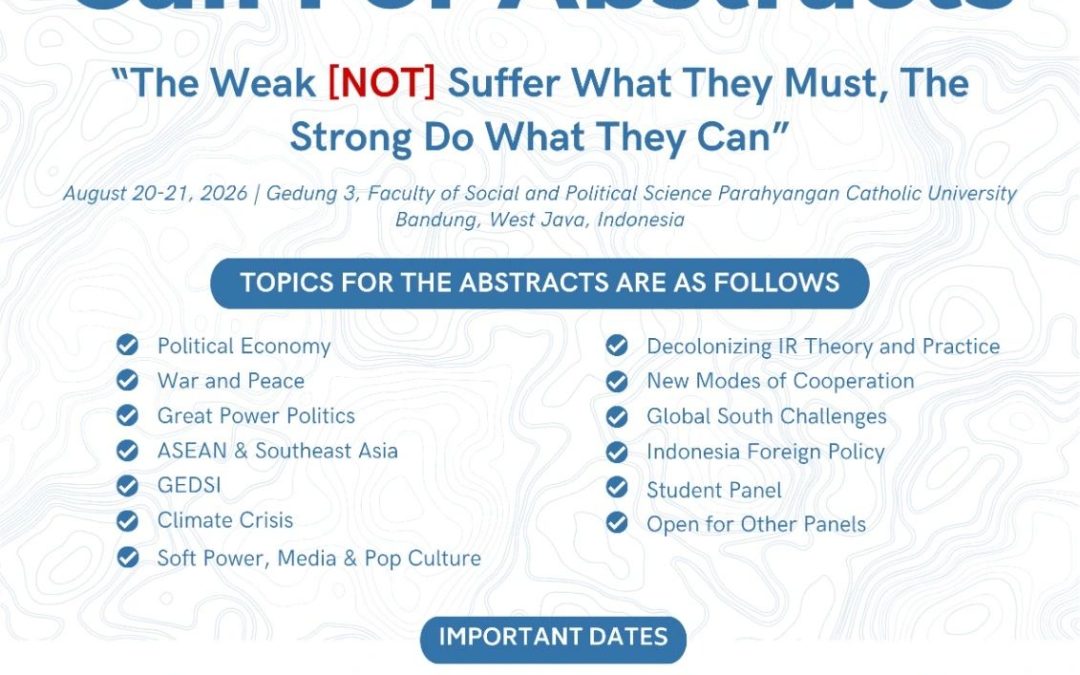
PACIS has specifically invited President Susilo Bambang Yudoyono to serve as the keynote speaker at the 5th ICONIR, to be held in August 2026. The national figure who has played a role at the global level has expressed his willingness to convey his views as the keynote speaker at the 5th ICONIR.
Author: Yulius P Hermawan