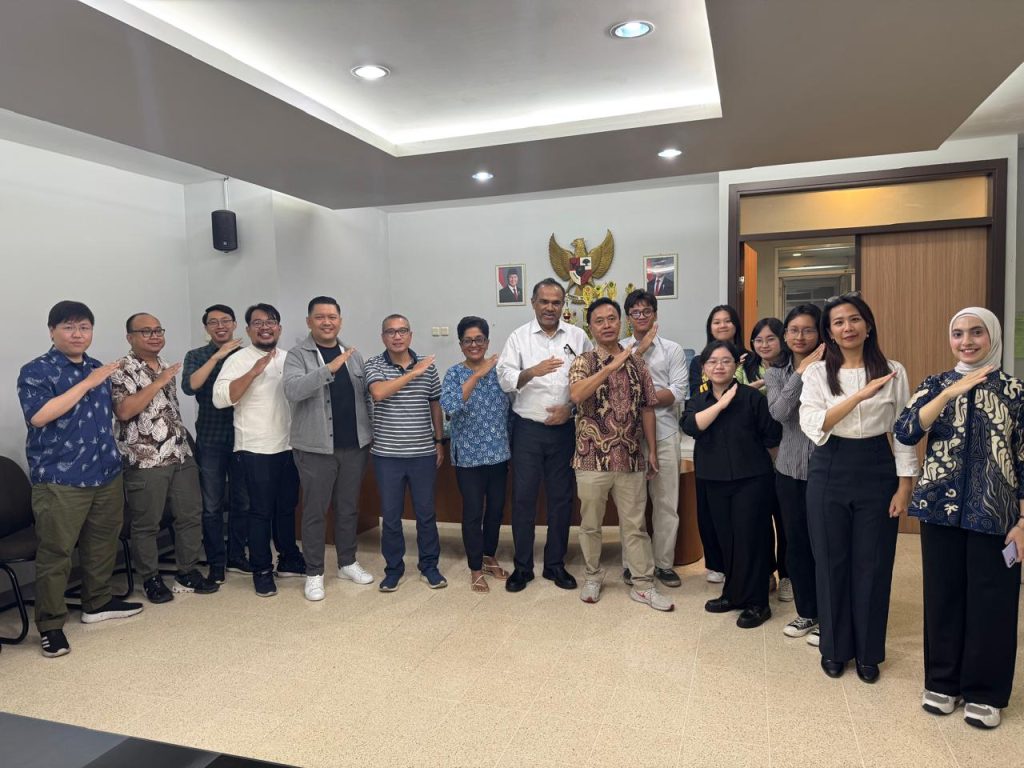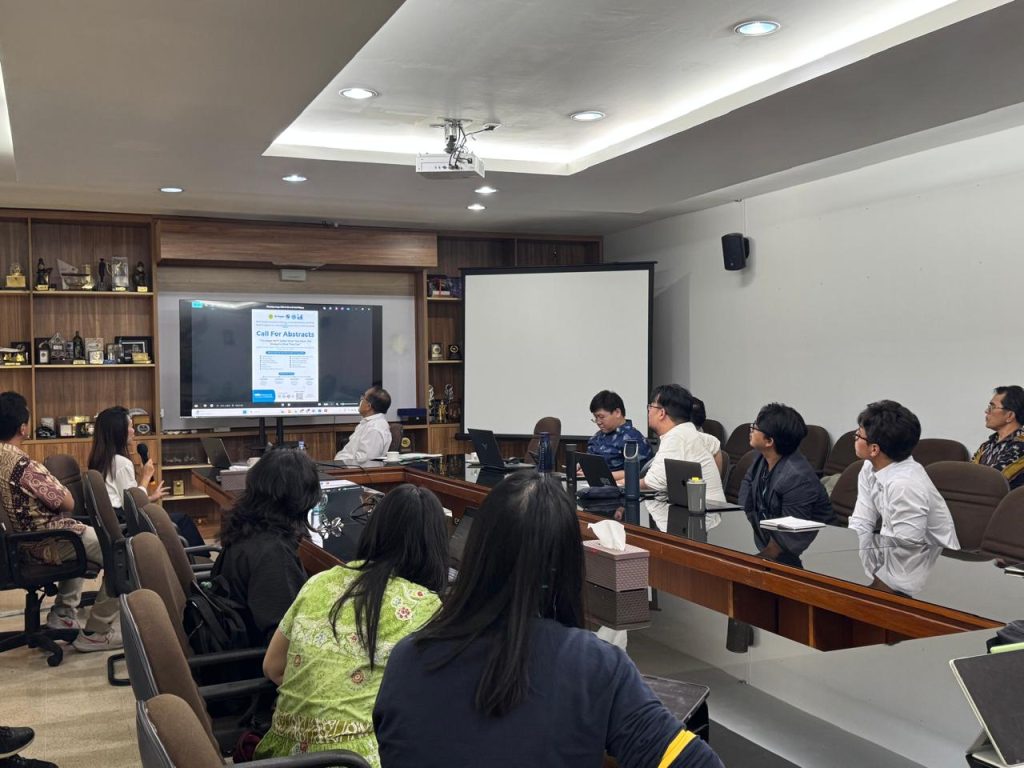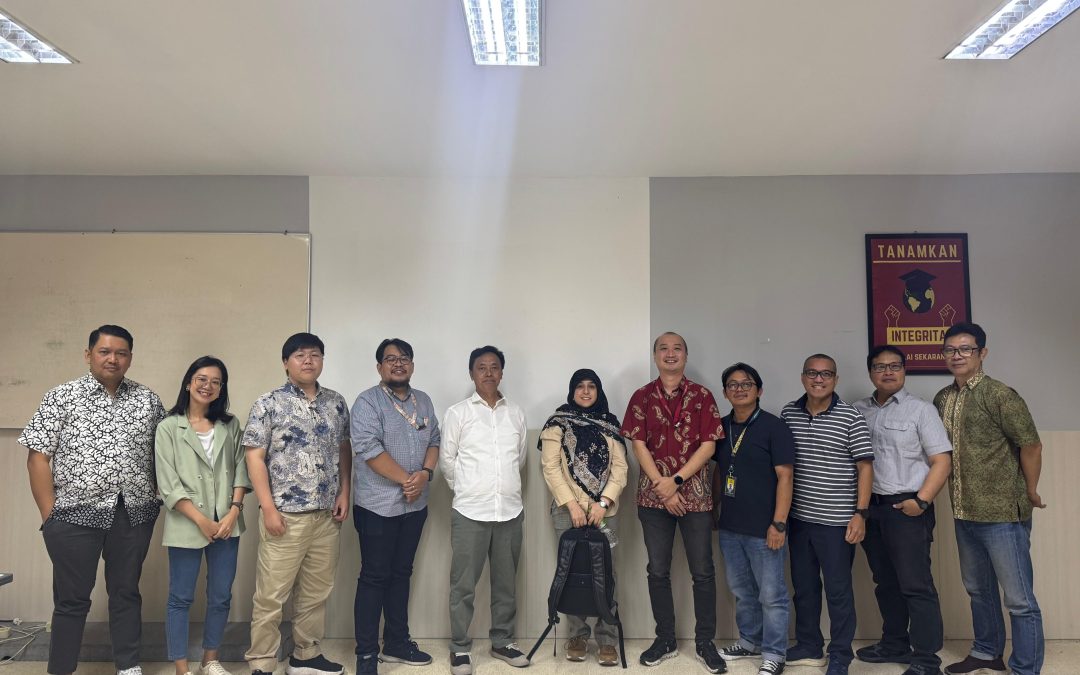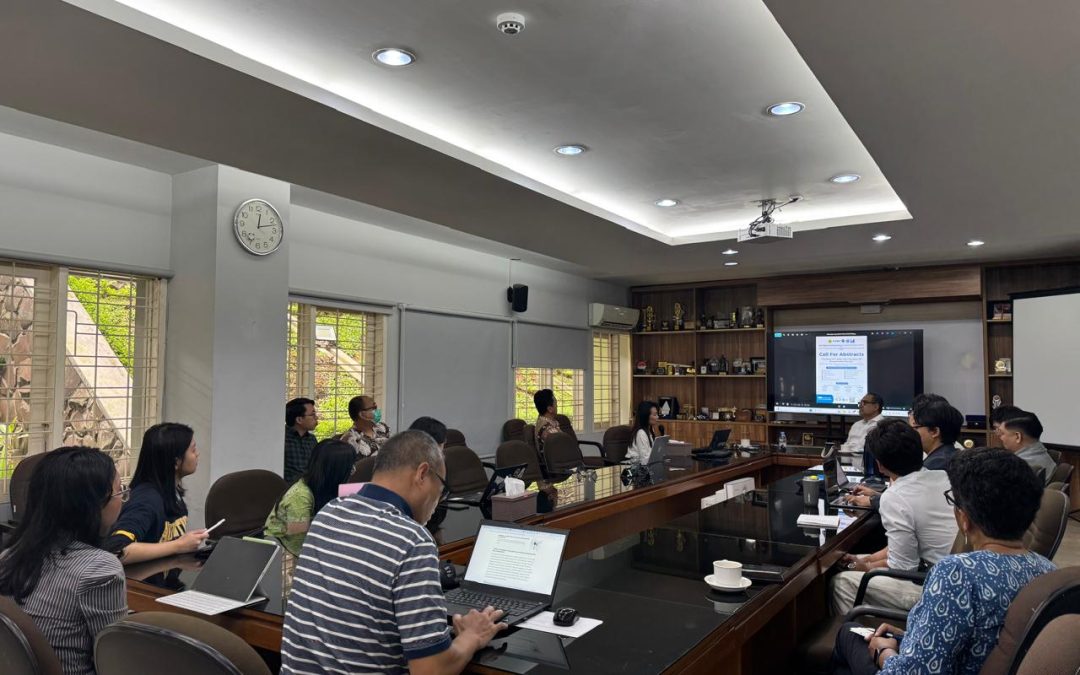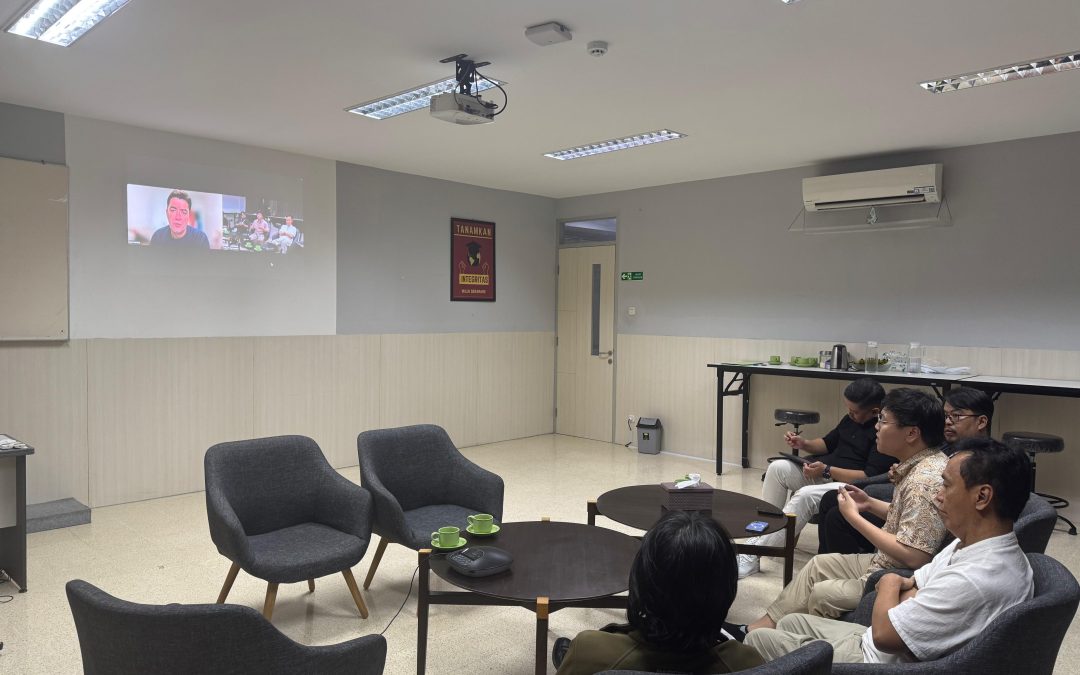


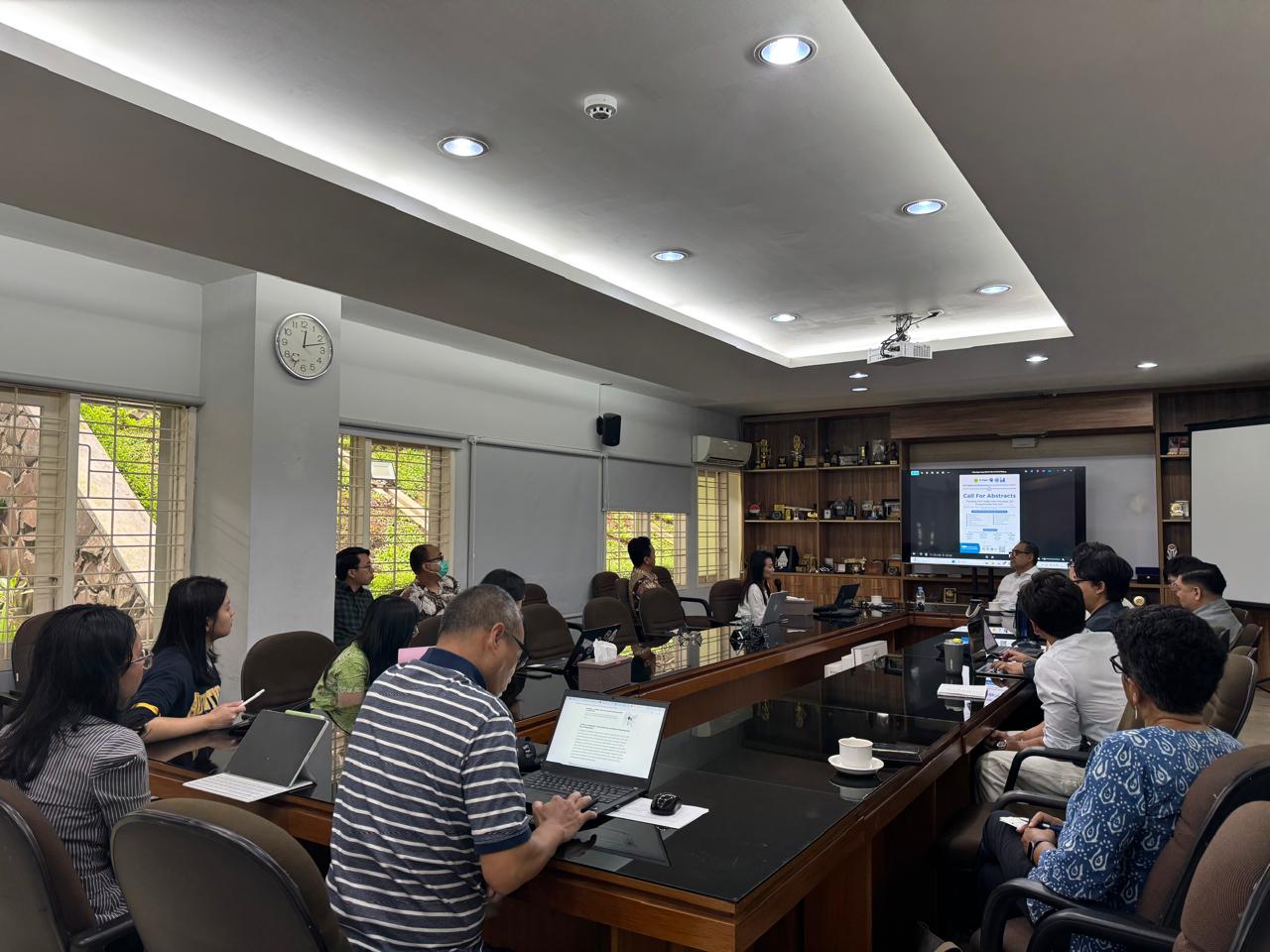
Bandung, January 15, 2026 — Parahyangan Center for International Studies (PACIS), Parahyangan Catholic University, held an academic discussion with Prof. T. V. Paul, Distinguished James McGill Professor at the Department of Political Science, McGill University, Montreal, Canada. Prof. T. V. Paul is widely recognized for his expertise and academic experience in international security, war and conflict, as well as Indian and South Asian studies. The discussion was attended by researchers and students from PACIS UNPAR.
The discussion highlighted that current global competition is no longer dominated by armed conflict, but is increasingly shifting to the economic, technological, international institutional, and political spheres. These dynamics are often understood as a form of a “New Cold War” with more complex and interconnected characteristics.
In his presentation, Prof. T.V. Paul emphasized that the behavior of major countries cannot be explained solely by considerations of security or military strength. There is a strong psychological factor, namely, anxiety about losing global status and influence. Major countries are trying to maintain their privileged position amid the economic rise of developing countries. From this perspective, the unilateralism and hardline policies of the United States under Donald Trump’s leadership can be understood as a response to concerns about declining global influence, rather than purely a long-term rational strategy.
Unlike the classic Cold War, the current rivalry is taking place amid high economic interdependence, particularly between the United States and China. Efforts to restrict trade, technology, and investment are considered risky as they could damage the global system that has supported shared growth. Meanwhile, Russia is seen as representing the harshest form of great power logic, where the use of violence against weaker countries, such as Ukraine, is closely related to efforts to maintain its sphere of influence, status, and legitimacy in international politics.
The discussion also placed the global situation in a historical perspective, emphasizing the ongoing struggle between the interests of major powers and the principle of state sovereignty. The post-1945 international order, designed to maintain balance, is considered to be under serious pressure, as the commitment of major countries to multilateralism and common norms weakens.
In the context of the Global South, participants highlighted that developing countries are now in a relatively stronger position than in previous decades. Economic growth, diversification of cooperation partners, and strengthening of domestic capacity have opened up greater opportunities for independence. However, these developments also present new challenges, including potential restrictions from major powers and the risk of a world order increasingly dominated by a handful of countries.
At the regional level, ASEAN is considered to remain relevant despite being often perceived as slow and limited. ASEAN is seen as an important instrument for its member countries to maintain balance, avoid dependence on a single major power, and preserve room for negotiation and strategic autonomy. The “hedging” strategy is considered feasible, even though the pressure is increasing.
The discussion also emphasized the importance of maintaining global institutions such as the G20 and BRICS. Amidst the declining commitment of some major countries to multilateralism, these forums have become strategic spaces for non-major powers to continue voicing their interests. The weakening of these institutions is considered to increase the vulnerability of small and medium-sized countries to unilateral pressure.
The discussion concluded that the world is currently in a long and uncertain phase of transition. For Indonesia and other Global South countries, the main challenge ahead is not to choose sides in the rivalry between major powers, but to maintain their independence through active diplomacy, strengthened regional cooperation, and a sustained commitment to inclusive and pragmatic multilateralism.
Author: Nazwa
Documentation: