

The World Bank has recorded that more than half of the global population nowadays lives in urban areas, and this number is projected to rise in 2045 where the world’s urban population will increase 1,5 times to 6 billion (World Bank, 2023). The government is increasingly pressured to face the myriad challenges of contemporary urbanization and devise sustainable strategies to ensure the quality of life and prosperity for urban dwellers. Amidst this rapid urbanization, the smart city approach emerges as a crucial solution by providing a comprehensive approach to urban development.
The global rapid pace of urbanization is shared in the Southeast Asia region. Currently, half of ASEAN’s population resides in urban areas, and the number is expected to rise by 2025 with an additional 70 million people joining them (Sharif, 2022). Hence the application of smart city framework to ease the burden of rapid urbanization has never been more important.
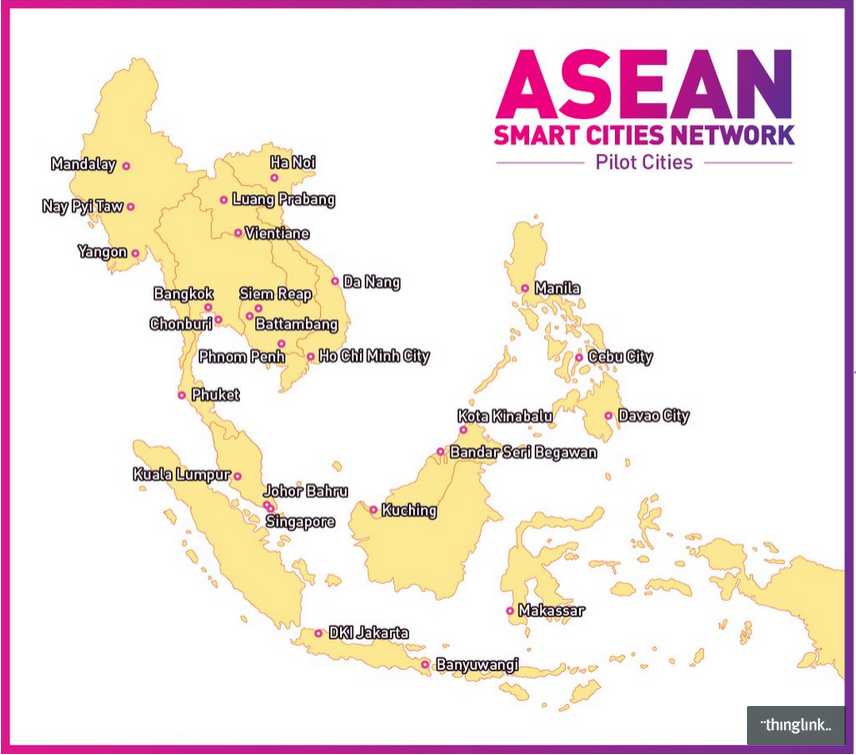
ASEAN leaders have been geared up to push for a regional smart city mechanism within Southeast Asia. In 2018, a proposal from Singapore on the need to direct ASEAN focus to smart city was warmly welcomed, and the inaugural ASEAN Smart City Network (ASCN) Meeting was held in the same year. The ASEAN adoption of ASCN aimed at supporting the ASEAN Community project. It built upon the shared understanding on the need of a platform for ASEAN cities to share experiences and expertise in overcoming urbanization problems through innovative approaches through technological and non-technological solutions (ASEAN Secretariat, 2018).
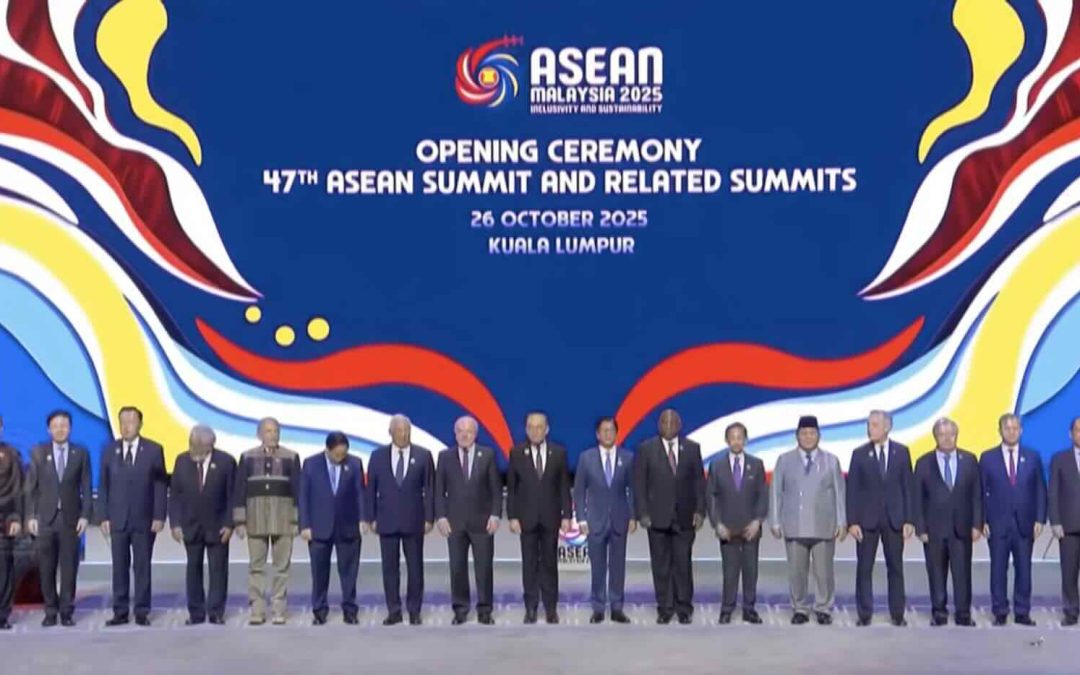
Since then, ASEAN leaders have demonstrated unwavering commitment to the development of the ASCN. It is evident in the constant declaration on ASCN importance during every ASEAN Summit as outlined by the Chairman Statement (see table 1). This declaration is followed by key deliverables on the ASEAN Smart Cities Framework, ASCN Terms of Reference, the ASCN Monitoring and Evaluation (M&E), Guide on enhanced interaction with external partners, Smart City Action Plans (SCAPs), ASCN Online Portal and ASEAN Smart City Investment Toolkit (see table 2), all of which are aimed at ensuring the successful implementation and operation of the ASCN.
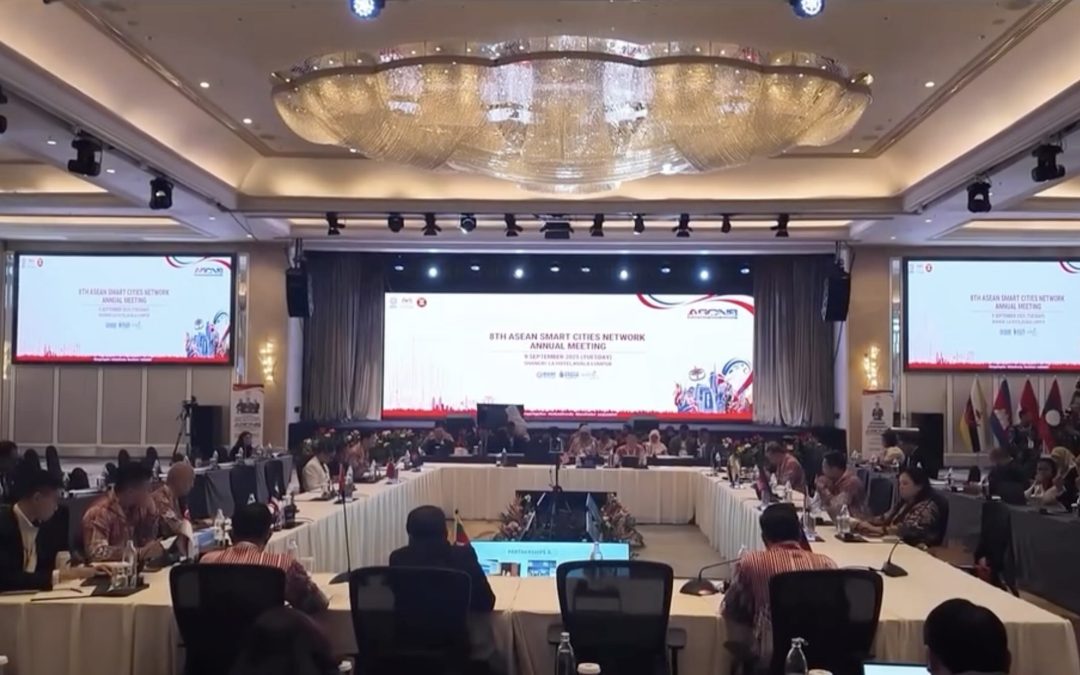
Apart from supporting ASCN at the declarative level, ASEAN leaders are taking steps to establish a supporting institutional structure. This structure identifies the main stakeholders in ASEAN and the division of authority to ensure progress in implementing ASCN. The ASEAN Chair automatically becomes the ASCN Chair during the elected presidency. The ASCN Chair then appoints National Representatives (NRs), equivalent to the Senior Official Meeting (SOM), to guide ASCN activities.
Considering that the ASEAN presidency changes every year, ASCN appoints a Shepherd (Sherpa) tasked with assisting ASCN Chairs in maintaining the continuity of the ASCN program. Therefore, Sherpa was chosen for a longer time, two (2) years, with an extension for the next two (2) years. Singapore was selected to be an ASCN Sherpa from 2019-2023, and at the 6th ASCN annual meeting in 2023, Indonesia was selected to be an ASCN Sherpa. (Ratih Indraswari)
References:
ASEAN Secretariat. (2018, April 27). Concept Note of the ASEAN Smart Cities Network. ASEAN Main Portal. https://asean.org/concept-note-of-the-asean-smart-cities-network/
Sharif, M. M. (2022, September 8). Capturing the Urban Opportunity in Southeast Asia. The ASEAN Magazine. https://theaseanmagazine.asean.org/article/capturing-the-urban-opportunity-in-southeast-asia/
World Bank. (2023). Urban Development [Text/HTML]. World Bank. https://www.worldbank.org/en/topic/urbandevelopment/overview