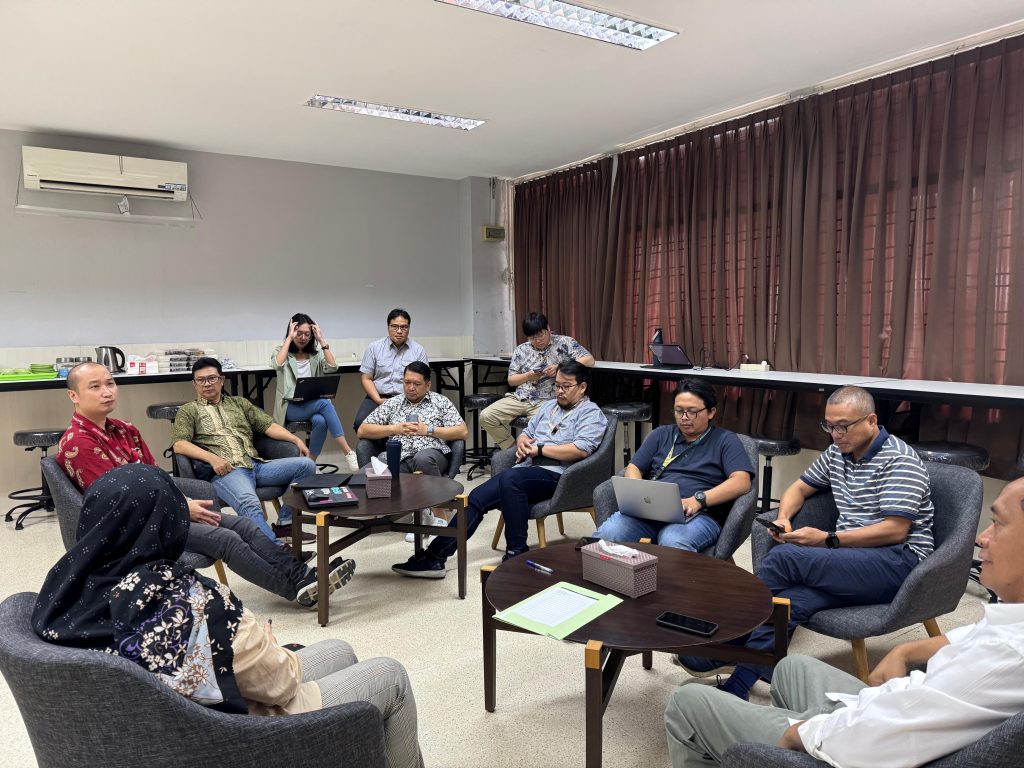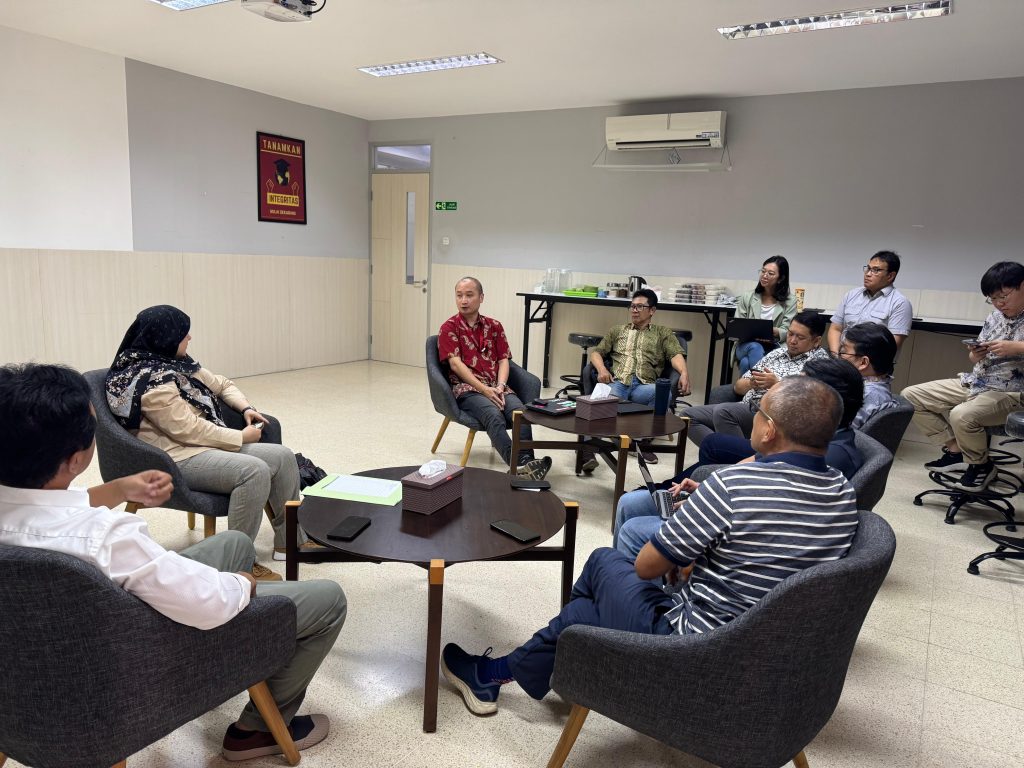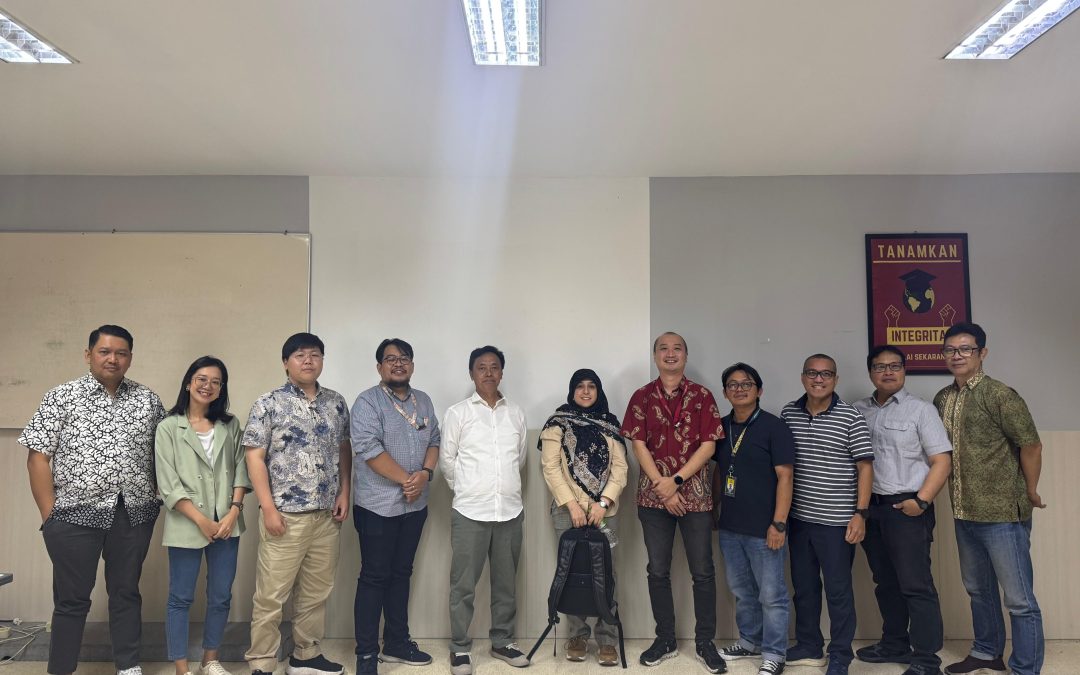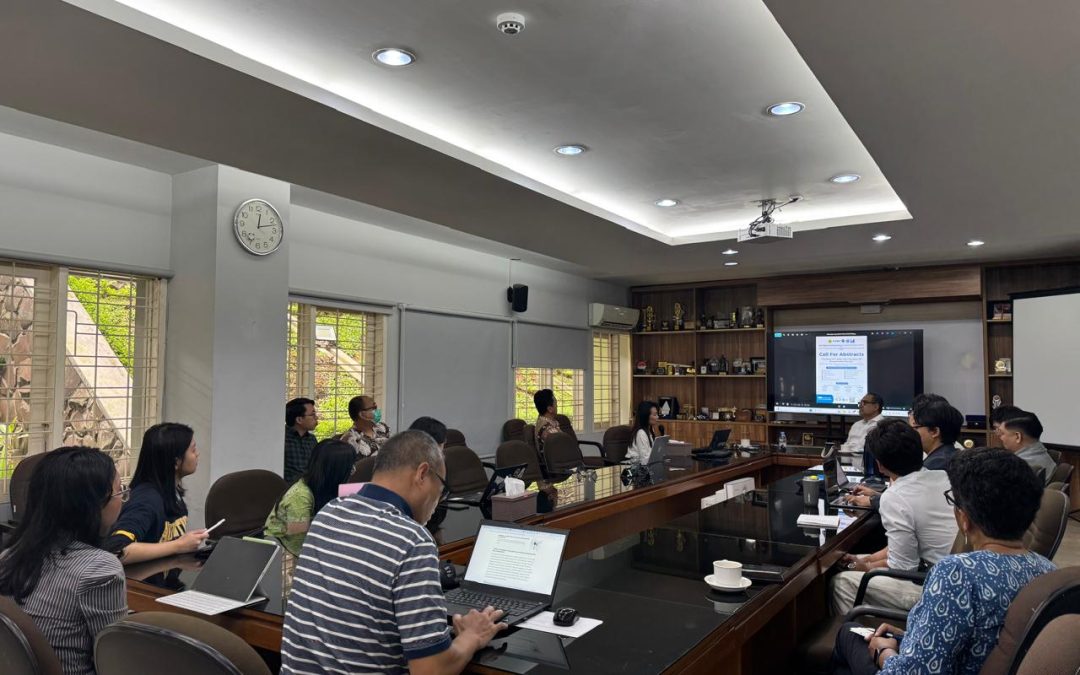


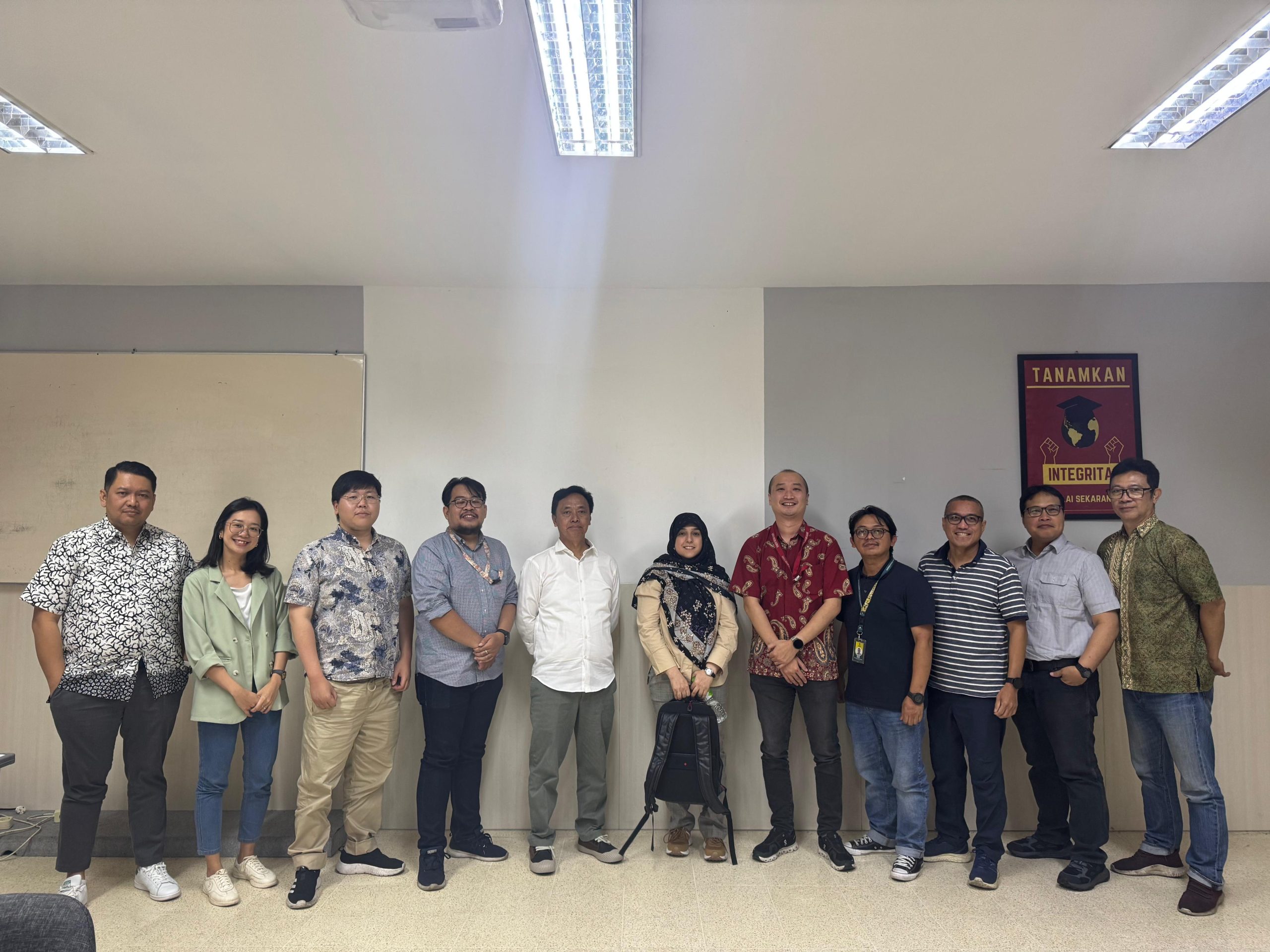
Bandung, January 27, 2026 — The Parahyangan Center for International Studies (PACIS), Parahyangan Catholic University, held an academic discussion with Parisa Shahmohammadi (PhD), Research Associate at the Embassy of the Islamic Republic of Iran and an Iranian researcher. The discussion was attended by PACIS UNPAR researchers, including Albert Triwibowo, Yulius Purwadi Hermawan, Stanislaus Risadi Apresian, Aknolt Kristian Pakpahan, Adrianus Haraswakita, I Nyoman Sudira, Idil Syawfi, Jessica Martha, Kishino Bawono, and Rizki Widian. This meeting specifically discussed opportunities to develop academic cooperation in education, Research, and scientific exchange between UNPAR and higher education institutions in Iran.
The discussion highlighted several forms of cooperation that have the potential to be developed, including the drafting of a memorandum of understanding (MoU) between the Faculty of Social and Political Sciences (FISIP) UNPAR and the School of International Relations in Iran, student exchanges for undergraduate and master’s programs, the organization of summer schools and winter schools, the implementation of thematic webinars, and the development of joint academic publications.
The Iranian delegation also announced the availability of scholarship programs for Indonesian students at the undergraduate, master’s, and doctoral levels, both full and partial, selected by the Iranian Ministry of Higher Education. Study programs are offered in both Persian and English, including regional studies such as Middle East Studies and Palestine Studies, as well as various other fields at international universities in Iran.
The International Relations Department of Parahyangan Catholic University (HI UNPAR) introduced relevant scientific focuses for development in the collaboration, particularly Middle East studies, conflict and peace, global politics, international political economy, and strategic studies. The discussion also opened up opportunities for Research collaboration, the use of archival data for student theses, and internship opportunities for students at Iranian diplomatic missions.
This discussion confirmed both parties’ commitment to initiate cooperation through practical, gradual steps.
Author: Nazwa
Documentation: