

OP-ED Student : Rafi Rizkia Putra | 6092301088@student.unpar.ac.id
Parahyangan Catholic University
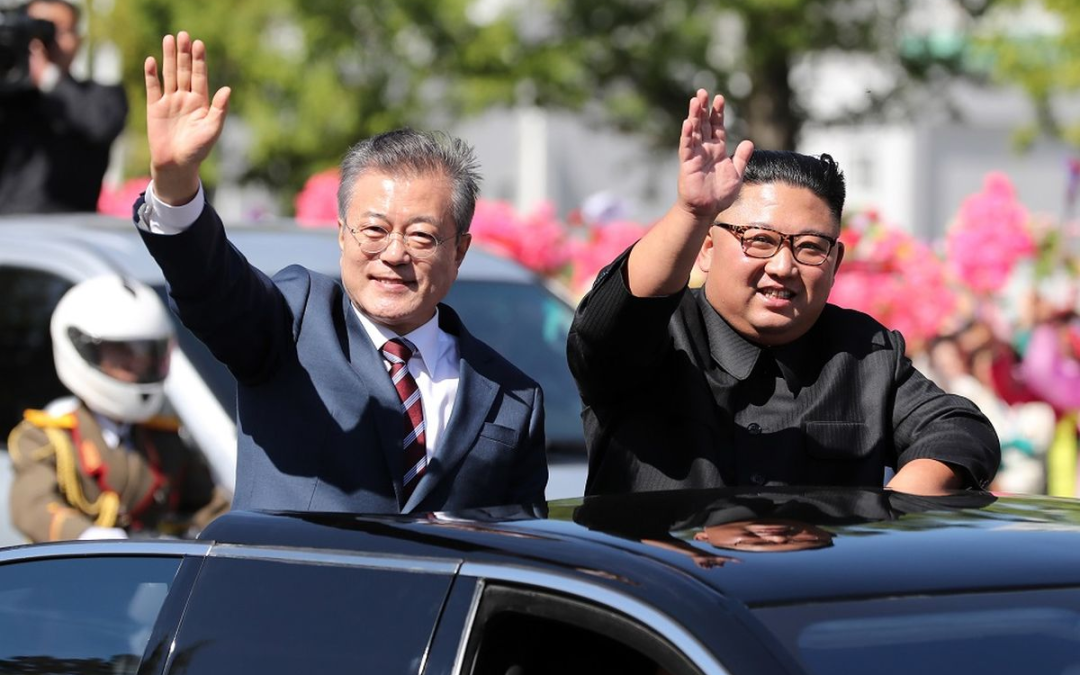
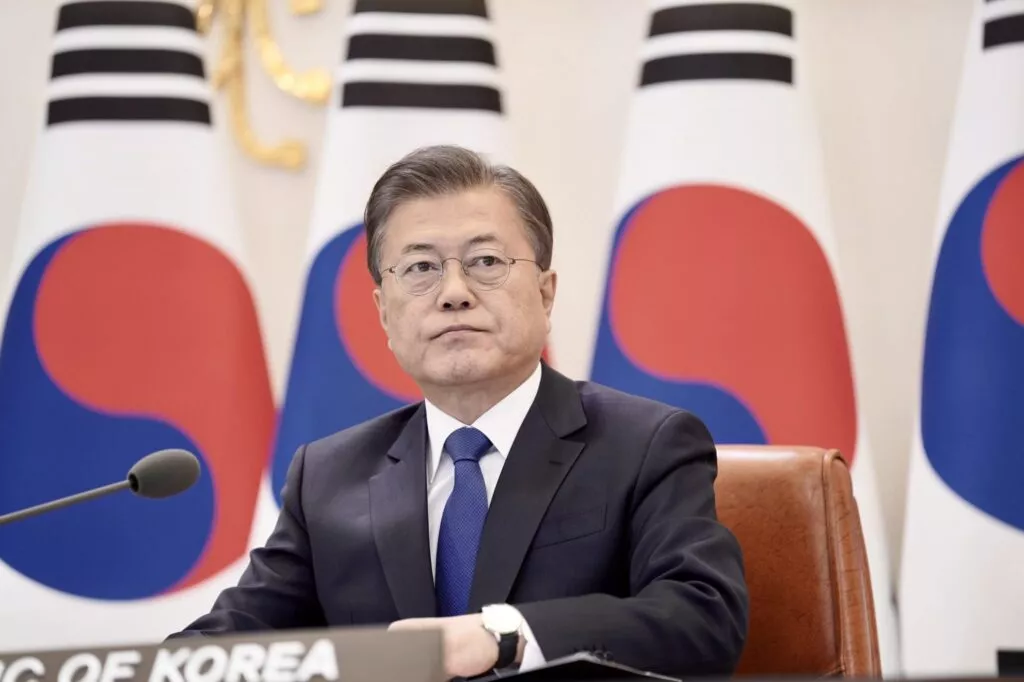
Despite the Cold War having ended for quite some time, the Two Koreas are still divided until this day, and many attempts of peaceful reconciliation were made after the Korean war in the 1950s. Currently ROK (Republic of Korea) along with their Ministry Unification has held Global Korean Forum series events. During the GKF 2024, the Minister of Unification stated that the international community should take a firm action against DPRK’s (Democratic People’s Republic of Korea) aggression. Such statement can be translated into ROK’s willingness to invite extra-peninsula dialogue partners to deter DPRK aggressions. Knowing this development, question arises on how can ASEAN advance the dream of ASEAN Centrality by looking at multilateral approach on the two Koreas. Knowing that both Koreas are engaged within ASEAN-led regional order, ASEAN should be able to present itself as a neutral forum for the normalization of relations between ROK and DPRK.
After 1950 DPRK’s invasion into the ROK, ROK has attempted at a unification or at the very least a peaceful reconciliation. One effort is through the GKF 24. The forum did not only ‘invite’ external actors to deter DPRK’s aggression, but also emphasize the importance of ROK’s two main strategic partners, that is the US and Japan. ROK sees the current solidarity on the security issue on the Peninsula will not only affect the Korean Peninsula, but also the broader Indo-Pacific Region and also the broader world. Not only through talks in the GKF, ROK’s also have a policy of peaceful reconciliation, colloquially known ‘Sunshine Policy’ or the Reconciliation and Cooperation policy towards the North. The basic modus operandi of this policy is that the ROK will not accept provocation by the North, and ROK will not make any attempt to annex or to occupy the DPRK, but ROK will actively seek peaceful reconciliation with the DPRK. However, despite the attempt, no tangible outcome that shifted the unification paradigm, instead DPRK under Kim-Jong Un still made several provocations towards ROK.
Another attempt to invite extra-peninsula partner was tried when Moon Jae-in adopted the ‘New Southern Policy’ (NSP) in 2017, in which ROK aims to pivot itself closer to their southern neighbors, namely ASEAN. Under the NSP, ROK emphasizes the importance to elevate ASEAN’s strategic importance to be on par with other ROK’s traditional strategic partners. ASEAN strategic importance was also solidified through the signing of the Comprehensive Strategic Partnership (CSP) in the 29th ASEAN-ROK Dialogue. Strategically, ASEAN-ROK was also fostered economically, politically, and culturally through the establishment of ASEAN-Korean Centre (AKC) and later on the Korea-ASEAN Solidarity Initiative (KASI). The latter is important because ROK sees the importance of ASEAN as a regional forum in Indo-Pacific affairs especially on the issue of maritime security and regional stability. Likewise, ASEAN also saw the importance of ROK as both a dialogue partner, and a strategic partner.
ASEAN has the opportunity to pivot itself as a forum for reconciliation and peace building in the Korean Peninsula. Both ROK and DPRK are participating in the ASEAN Regional Forum (ARF). During the US during Trump’s first term, an attempt at peaceful dialogue through the US-DPRK Talk in 2018 to 2019, in which both of the talks were held within ASEAN Member State (AMS) that is in Singapore, and in Hanoi in Vietnam respectively. This shows the trust level enjoyed by the US and DPRK on ASEAN’ neutrality. Furthermore, ROK also see ASEAN as an important lifeline for mediation with the DPRK, as well as a regional forum that ROK could use to voice their concerns. This was due to the fact that ASEAN has been consistent on regional peacebuilding and dialogue since the end of the Cold War. Moreover, DPRK’s participation in ARF should also make ASEAN an appealing choice as a mediator.
ASEAN has the means and the opportunity to do so. However, ASEAN needs to remain cautious when doing so; ASEAN has to remain ‘neutral’ for the dialogue to achieve a tangible outcome. ASEAN’s neutrality is also the credibility of the association in regional peace building.