

By Ratih Indraswari
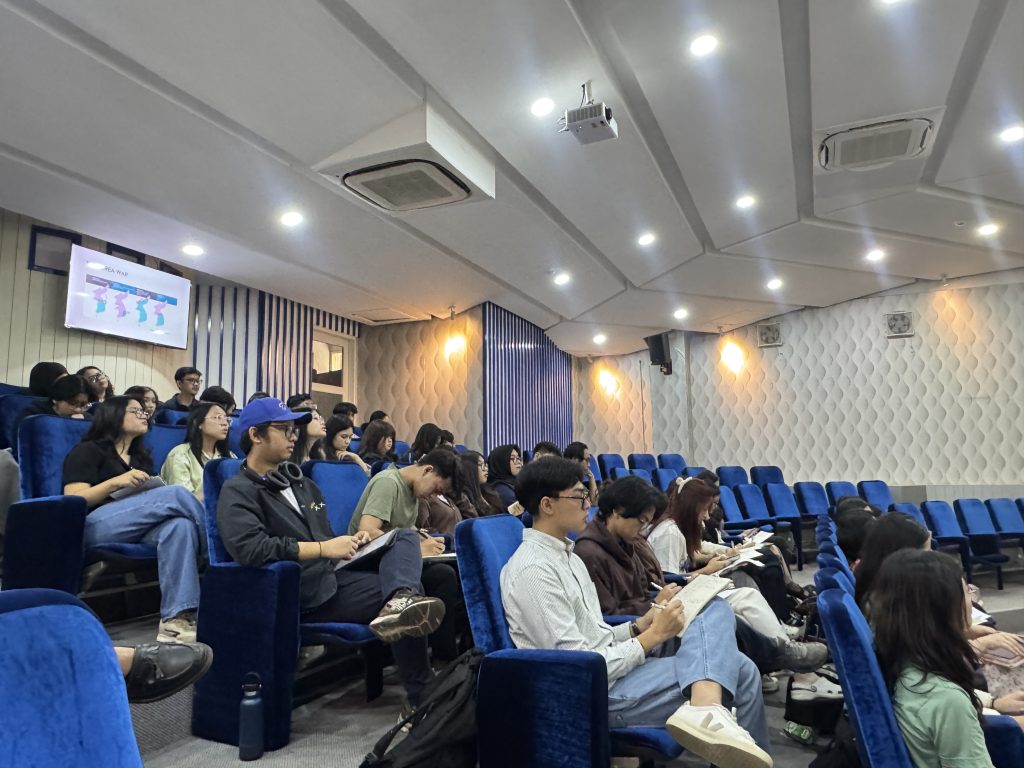
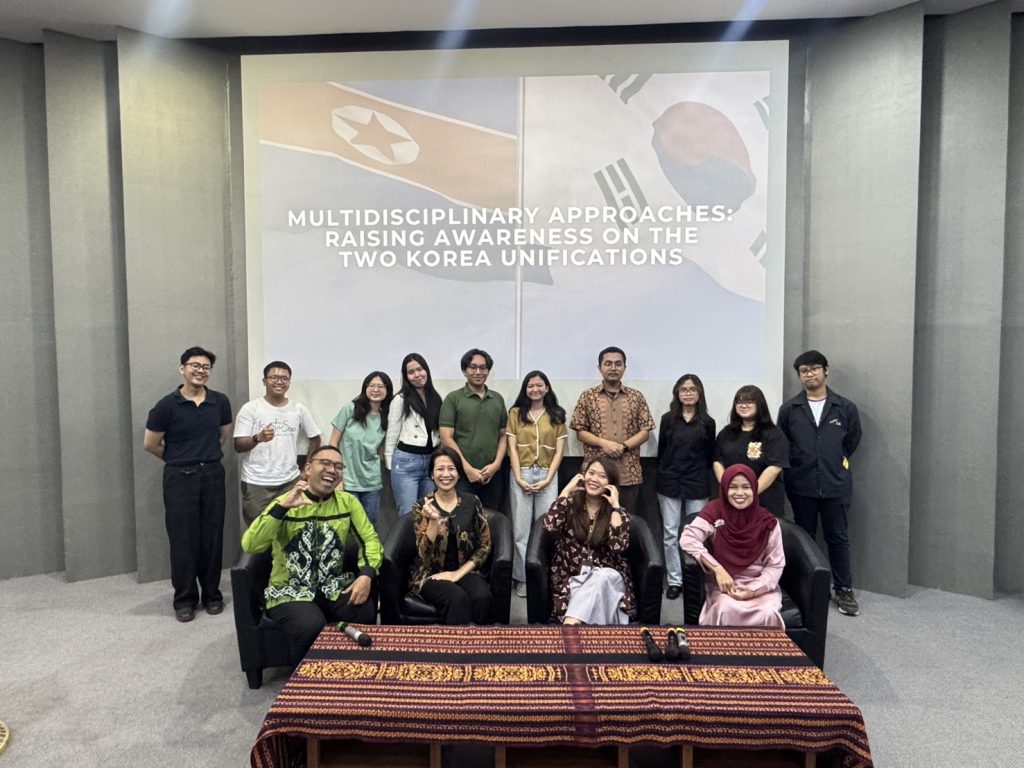
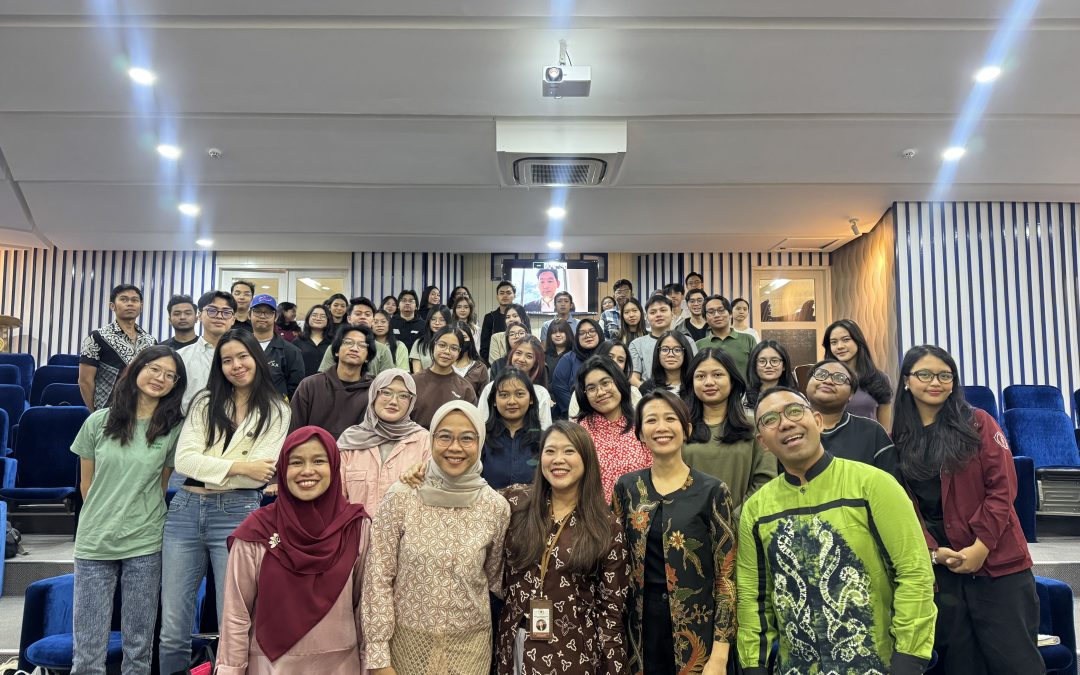
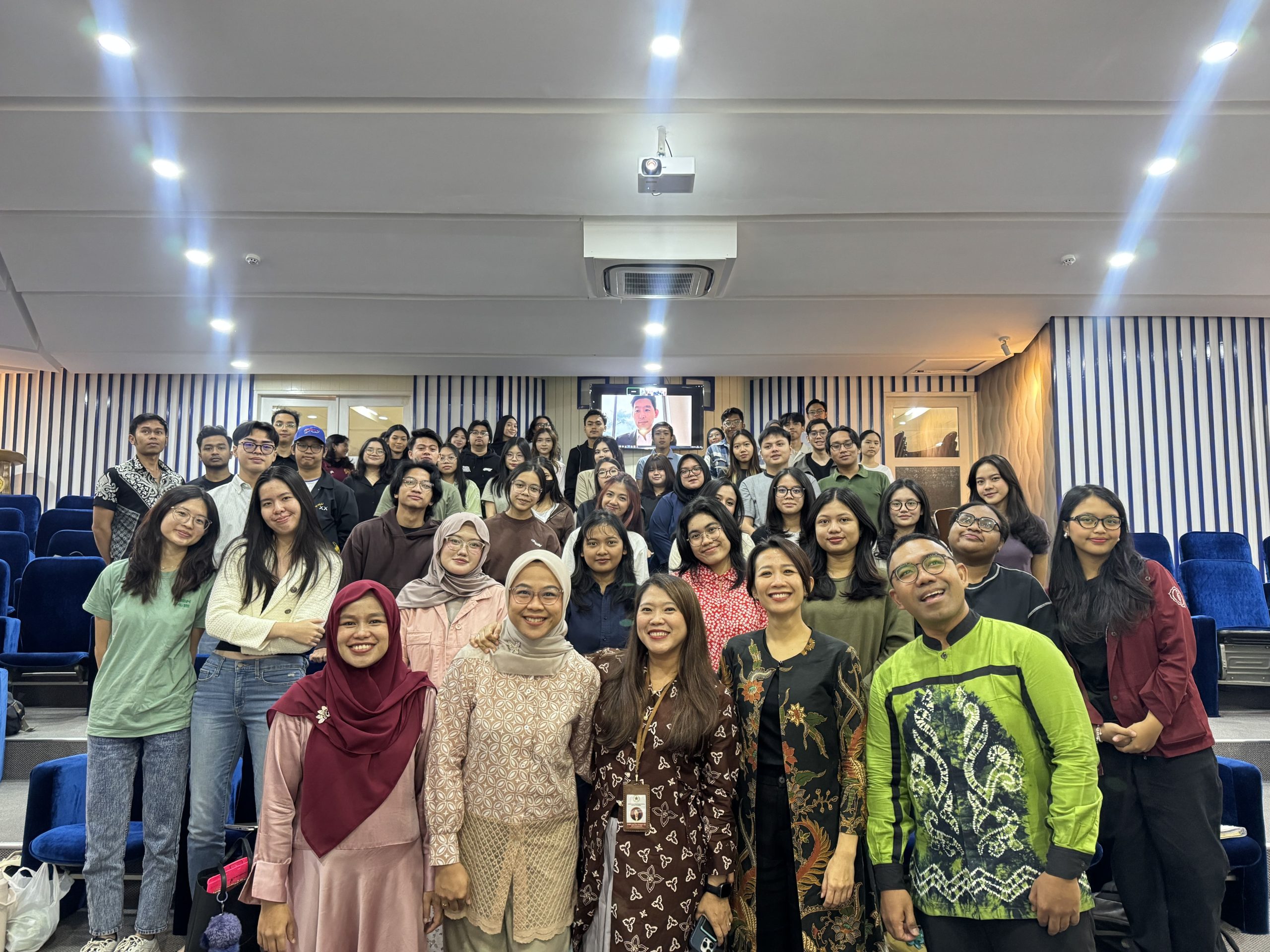
The Workshop on Multidisciplinary Approaches: Raising Awareness on the Two Korea Unifications, organized by Ratih Indraswari, PhD of Parahyangan Catholic University and supported by a grant from the Ministry of Unification of Korea in collaboration with Ewha Womans University and the Parahyangan Center of International Studies, brought together a diverse group of academics and students for a one-day program aimed at deepening understanding of the Korean Peninsula and its long-standing division. Hosted in UNPAR, Bandung, and attended by approximately 80 students from various universities, the event sought to address the persistent global knowledge gap regarding Korean unification, an issue often mistakenly perceived as limited to domestic Korean affairs despite its significant regional and international implications. The workshop’s overarching objectives were to educate students on the historical and contemporary complexities surrounding the division of North and South Korea, encourage policy-oriented student discussions on the future of inter-Korean relations, and raise awareness of how potential unification outcomes may impact Southeast Asia, particularly Indonesia, which has maintained balanced diplomatic ties with both Koreas.
The program was structured into two main components: an academic conference featuring multidisciplinary expert panels, and a policy workshop roundtable designed to foster student-led dialogue and collaborative frameworks. The speakers of the program were all doctoral graduates from universities in South Korea, lending their direct view on the issues from the alumni. First session opened by Ratih Indraswari, Phd, who provided an introduction to the history of the Korean division, the evolution of unification efforts, and the potential role of ASEAN in facilitating peace and stability on the Peninsula. She emphasized the importance of Southeast Asian engagement, underscoring ASEAN’s history of diplomatic neutrality and Indonesia’s unique positioning as a bridge-builder in regional diplomacy. Following her, Vimala Asty, PhD, from the Office of the State Secretariat, presented a gender-focused perspective on unification, highlighting how issues such as women’s rights, social reintegration, and inequality must be considered in any future unification framework. Her presentation reminded participants that unification is not purely a political or military matter. The first session concluded with insights from Ardila Putri, PhD of Universitas Pertamina, who discussed the potential role of energy diplomacy in inter-Korean relations. She explained how energy security, resource-sharing, and technological cooperation could play significant roles in unification economic reconstruction.
The second session expanded the conversation further by integrating perspectives on education and technology. Anggia Utami Dewi, PhD of Universitas Padjadjaran, explored how unification could reshape international education networks and academic mobility. Her talk encouraged students to consider how educational ties promote people-to-people connections and mutual understanding. The final speaker, Riski Lestiono from Universitas Muhammadiyah Malang, introduced a cutting-edge perspective: metaverse learning as a possible tool for enhancing awareness and bridging informational gaps. He explained how immersive digital platforms can facilitate cross-border dialogue and engage students in interactive, technology-driven discussions. His talks offer a new avenue for educational innovation in international studies.
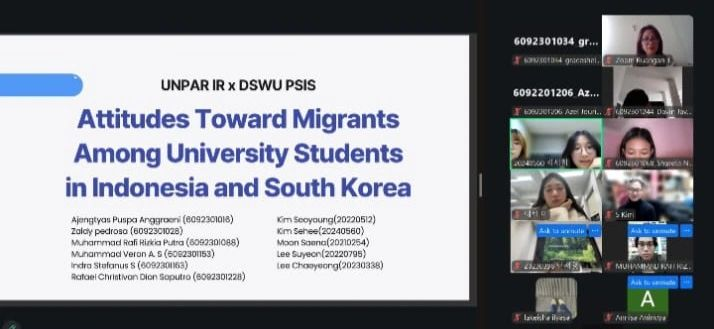
Following the expert panels, the workshop transitioned into writing workshops, allowing students to apply their newly acquired knowledge. Divided into small groups, participants developed policy ideas and collaborative frameworks addressing issues from the future engagement between Indonesia, ASEAN, and the two Koreas. Discussions touched on areas such as humanitarian cooperation, cultural diplomacy, climate initiatives, and digital education. Students were encouraged to think critically about Indonesia’s potential diplomatic contributions and the role of young leaders in shaping future regional policies. The interactive format proved highly effective, with students demonstrating strong analytical abilities and a clear interest in global affairs.
Overall, the workshop served not only as an academic event but also as a platform for nurturing the next generation of globally aware, policy-oriented thinkers. By presenting Korean unification through multidisciplinary lenses, political, gender-based, economic, educational, and technological, the event succeeded in conveying the complexity of the issue and its broader relevance to Southeast Asia. The participation of multiple universities and the active engagement of students highlighted the growing interest in international issues among Indonesian youth. More importantly, the workshop reinforced the idea that unification is not merely a political-security not a Korean concern; it is a regional and global matter with far-reaching implications that require a non-security approach.
Documentation: