

The Pacific is a crucial region that is often overlooked in Indonesian foreign policy. Yet, the region holds significant potential that Indonesia can develop through its relationships with its countries. In the 2020-2024 National Medium-Term Development Plan (RPJMN), Indonesia is committed to strengthening its relationship with Pacific countries. As a manifestation of this commitment, the Ministry of Foreign Affairs has prepared the Grand Design of Pacific Elevation Policy Strategy (GDSKPE). The Parahyangan Center for International Studies (PACIS), along with the University of Indonesia Study Team, is supporting the strengthening of this strategy by drafting a companion document to the GDSKPE. This document will serve as a means of disseminating information to the wider public.
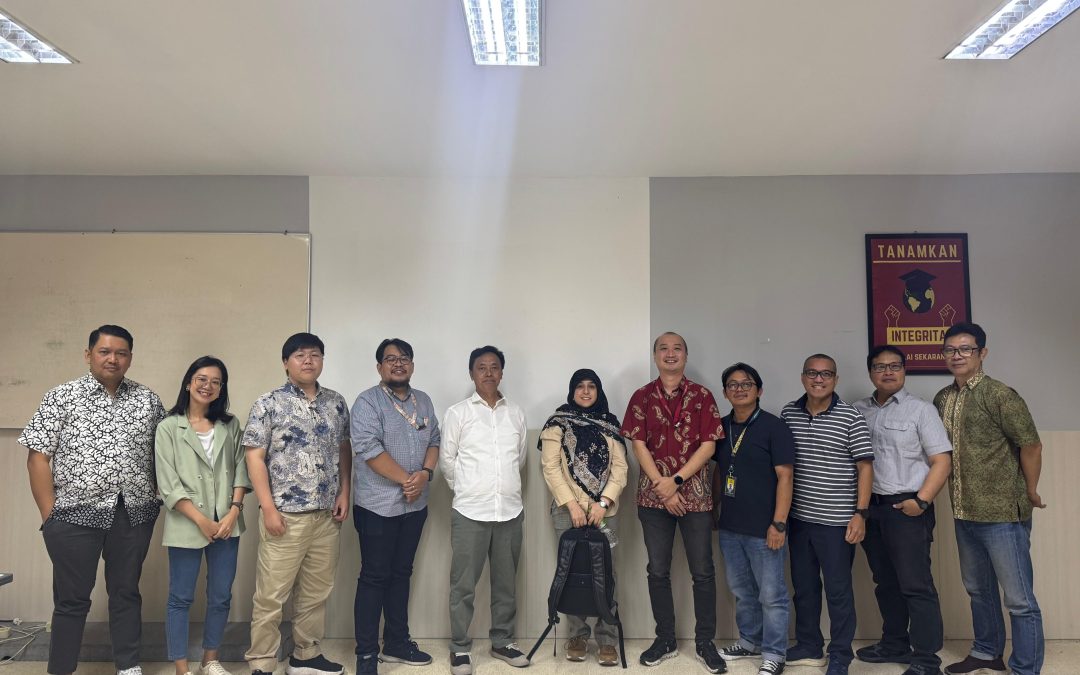
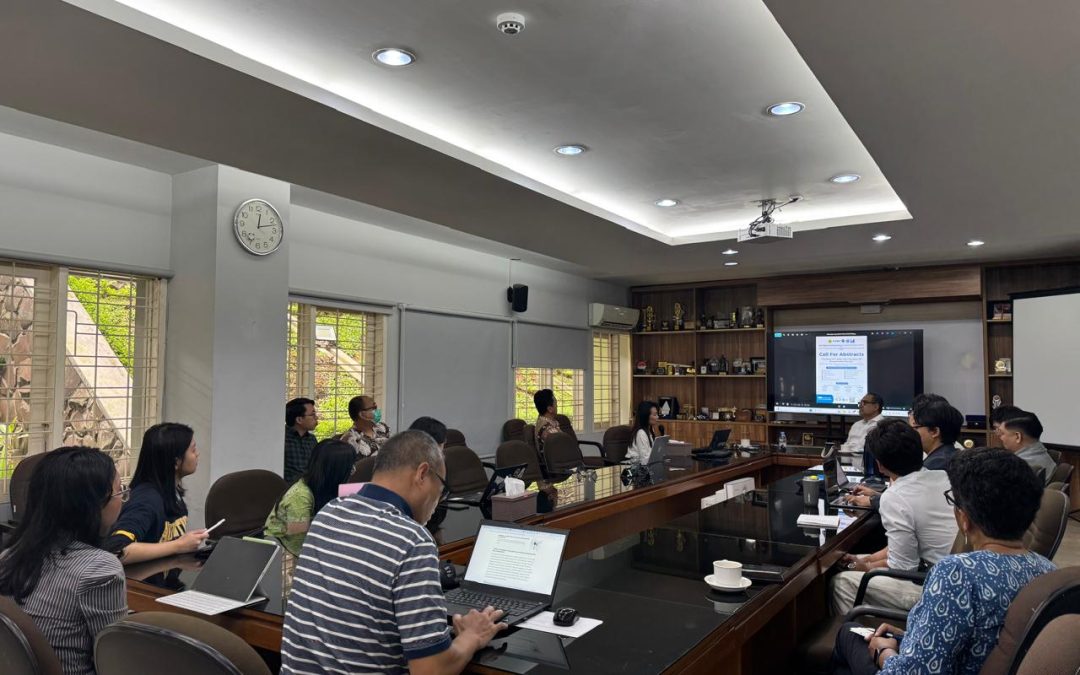
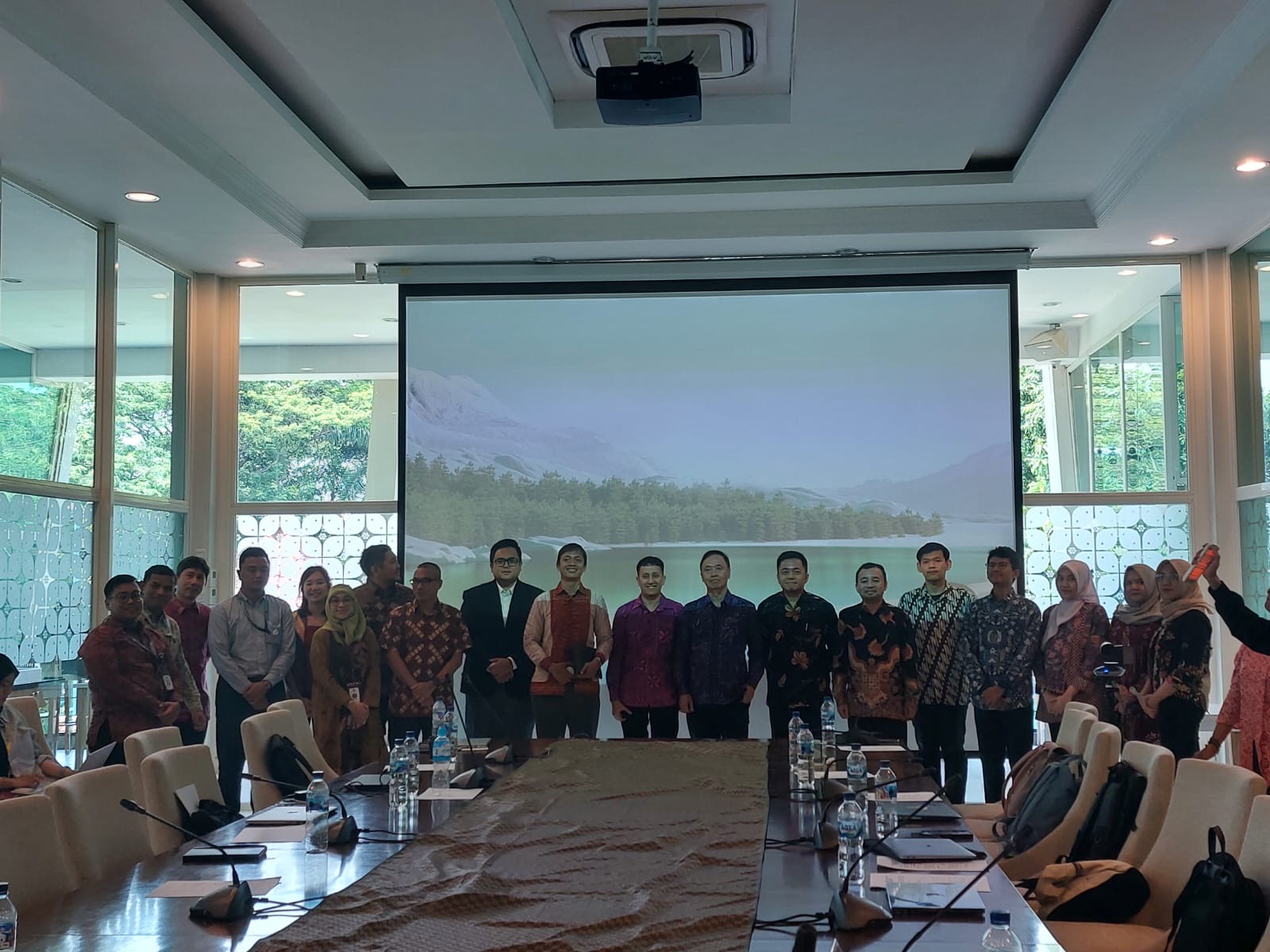
As part of the series of activities to develop this companion document, PACIS, the University of Indonesia’s Institute for Policy Studies (LPPPS UI), and the Ministry of Foreign Affairs’ Foreign Policy Strategy Agency (BPS), held a Policy Review Focus Group Discussion (FGD) on November 21, 2024, at the Ministry of Foreign Affairs’ Diplomatic Cafeteria in Pejambon, Jakarta.
The FGD was opened by Mr. Vahd Nabyl Mulachela, Head of the Center for Asia Pacific Strategic Studies at the Indonesian Ministry of Foreign Affairs, and moderated by Ms. Etty Wulandari, a member of the Ministry’s GDSKPE Companion Book.
The PACIS team presented the follow-up to the GDSKPE Companion Book, based on input from speakers and participants at the Policy Review Kick-off on September 19, 2024. This input included defining the countries in the Pacific region; the targets to be achieved by the GDSKPE; strategic clustering within the GDSKPE; and public diplomacy.
The University of Indonesia’s LPPSP team outlined the challenges faced in writing the companion book to the GDSKPE. First, it related to balancing the interests of Indonesia and Pacific countries. Second, it related to balancing the objectives of the companion book, namely for stakeholders and the public. Next, it outlined the contents of the chapters related to Introduction, Resource and Economic Development; Climate and Disasters; and Ocean and Environment.
The Policy Review FGD featured three keynote speakers. The first speaker was the Indonesian Ambassador to Australia and the Republic of Vanuatu, Mr. Siswo Pramono. He delivered a presentation entitled “Indonesia’s Foreign Policy Towards the Pacific: Grand Design.” Mr. Siswo agreed that the 2050 Strategy is the foundation for entering the Pacific, as it represents the dream of the people of the Pacific region. The Indonesian Ambassador to Australia highlighted the interests of countries in the Pacific region and how Indonesia has sought to accommodate these interests through initiatives in international forums such as the G20 under the Indonesian Presidency in 2022. Ambassador Siswo also proposed focusing on the ASEAN Indo-Pacific Outlook document, which Indonesia initiated in 2023. Under Indonesia’s chairmanship, the AIOP forum has agreed to 93 projects, 87% of which relate to green infrastructure, which also represents the interests of Pacific countries.
Indonesia has undertaken a number of efforts involving Pacific countries in line with the seven thematic areas of the 2050 Strategy for the Blue Pacific Continent.
He stated that Indonesia needs to deepen cooperation within the Archipelagic and Island States (AIS) framework by engaging countries in the Pacific region.
Regarding the theme of people-centered development, Indonesia has provided scholarships for students from Pacific countries to study in Indonesia. Regarding the theme of Peace and Security, Indonesia has provided training for 10 police officers from Vanuatu. Indonesia needs to further assist in its implementation in the future.
Ambassador Adam Tugiyo, Expert Staff for Politics, Law, and Security Affairs of the Ministry of Foreign Affairs, was the second speaker to respond to the interim report of the GDSKPE companion book. The Expert Staff for Politics, Law, and Security Affairs of the Ministry of Foreign Affairs provided notes on approaches Indonesia can adopt to win the hearts and minds of citizens of Pacific countries. These strategies include how Indonesia can enter the map of trading partners with Pacific countries. Looking at Pacific countries’ trading partners, Indonesia is not yet among the top ten.
The third speaker was Calvin Khoe, Executive Secretary of the Foreign Policy Community Indonesia (FPCI). He suggested the need to formulate measurable targets, such as those for the economy, climate change, and energy transition. The values discussed in ASEAN can also be promoted by Indonesia in its relations with Pacific countries, such as the Treaty of Amity and Cooperation (TAC). Approaching Indonesia’s role in the Non-Aligned Movement can also be a strategic angle. The role of Indonesian AID (LDKPI) needs to be emphasized in the GDSKPE. Regarding budget constraints, Indonesia needs to involve the private sector in strengthening relations with Pacific nations.
Important input was provided by participants representing relevant ministries and institutions. Triangular cooperation formats could be developed with developed countries like Australia to address budget constraints, as has been done between ASEAN and Australia. Emphasizing the role of the International Development Cooperation Fund Management Agency (IDCF) is also considered crucial, as it aligns with two other grand designs currently being prepared by the Ministry of Foreign Affairs.
The PACIS Pacific Elevation Research Team consists of Yulius P Hermawan, Jessica Martha, Idil Syafwi, Aknolt Pakpahan, Ratih Indraswari, and Kishino Bawono, and is supported by student researchers Adelia Jessica Salim, Najwa, Muhammad Rafi, Eunike, and Flint. The study team will then follow up on these inputs in the form of a final report.